Gentle Chiropractic Care in Penrith | Helping You Move Better and Feel More Confident
We help people with persistent back or neck pain move more freely, regain confidence, and get back to doing the things they love — gently, safely, and without forceful “cracking.”
About Your Penrith Chiropractor
At Your Spinal Health in Penrith, we specialise in gentle, low-force chiropractic care.
Our aim is simple: reduce pain, improve movement, and support your body’s natural healing.
Most people follow a short, structured plan over around 12 weeks and notice steady progress.
Everyone’s different, and results always vary — that’s why your care starts with a personalised Spinal Health Assessment.
Peter Bennett – Chiropractor
Registered with the General Chiropractic Council (Reg No: 01124)
Member of the United Chiropractic Association
Your Spinal Health
Registered chiropractic care in Penrith, Cumbria
5 Poets Walk, Penrith CA11 7HJ · 01768 899 036
Your Trusted Spinal Health Experts
At Your Spinal Health, we are passionate about helping you achieve your best health and well-being. We have been serving our community for over 20 years with a commitment to providing the highest quality care.
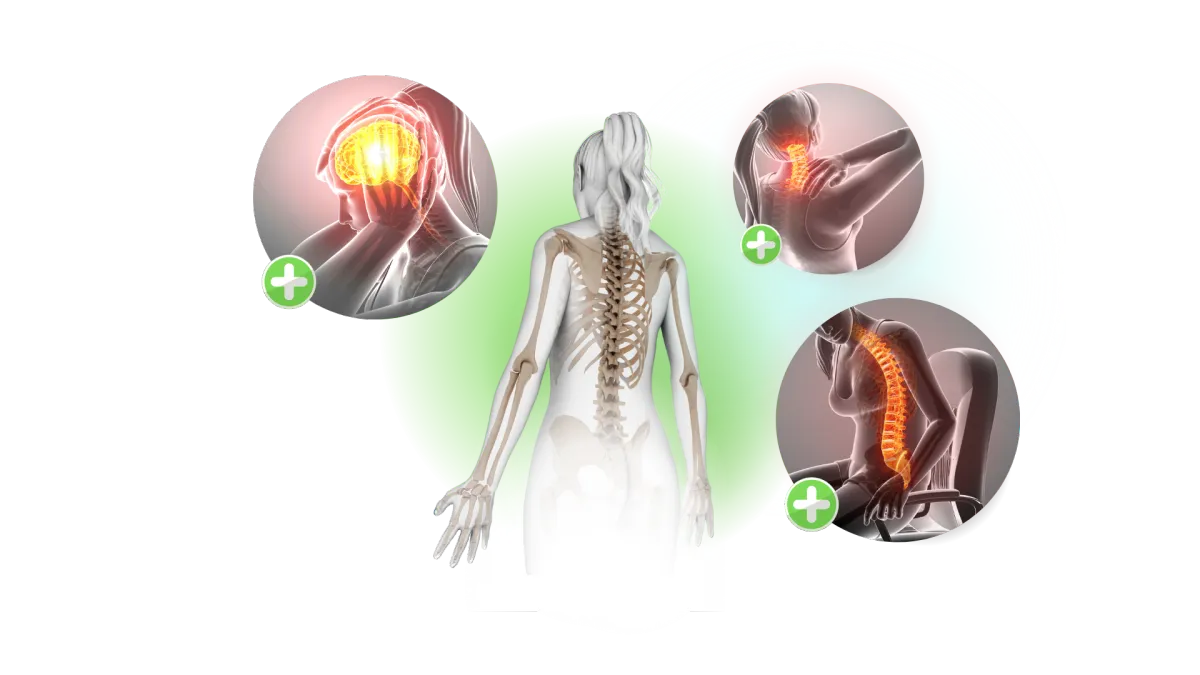
Combining natural hands-on treatment with our week-on-week progressive system to help symptoms like back pain, neck pain and headaches.
Start NOW. Just 1-click away
We help people feel safer and more confident moving again.
Save On Your Treatment Costs
Each visit is £50.
Save if you choose to pre pay.

Start NOW. Just 1-click away
Our clients tell us they can do more of what they enjoy once their pain is under control. Everyone’s different, and results vary.
Peter Bennett, Chiropractor – Registered with the General Chiropractic Council (Reg. No: 01124)
I'm Peter Bennett!
Hello, I’m Peter Bennett, a chiropractor based in Penrith, Cumbria.
I’ve spent more than 25 years helping people reduce pain, move better, and get more life back into their years.
My approach is gentle — no cracking, no heavy-handed adjustments — just safe, effective techniques that work with your body instead of against it.
Over the years, I’ve learned that the human body is incredibly good at trying to heal itself. My job is simply to understand what it’s trying to do and give it the right support.
People come to see me for all sorts of reasons — stiff backs after gardening, neck pain from long hours at a desk, or just feeling less steady than they used to.
Whatever brings you in, my goal is the same: to help you move more easily and feel more confident doing the things you love.
I believe great healthcare starts with kindness, clear explanations, and respect for each person’s pace. You’ll never be rushed or pressured here — just guided gently toward better movement and lasting results.
When I’m not in clinic, I’m usually outdoors walking in the fells, writing about longevity science, or creating online programs that help people stay active and independent later in life.

Why I Do This
When I first started in chiropractic, I thought the job was all about fixing spines.
But over the years, I’ve realised it’s really about helping people trust their bodies again.
I’ve seen how back pain can slowly chip away at someone’s confidence — the way they move, work, even how they laugh. One day it’s just a niggle, and before long it’s changed how they live. Helping someone turn that around, gently and safely, is still the best part of my week.
I’ve always believed the body isn’t broken — it’s doing its best to protect you. My role is to understand what it’s trying to do and guide it back toward balance. That might mean easing tension in the spine, retraining movement, or simply helping you breathe a little easier.
What keeps me going is seeing people realise they can do more than they thought — walking the fells again, picking up grandchildren, or just waking up without that constant stiffness.
It’s those moments that remind me why I chose this path all those years ago.
My aim has never been just to treat backs — it’s to help people move freely, live fully, and enjoy their years with confidence.
FAQS
What conditions can we help with?
Spinal health care can help a wide range of conditions, including back and neck pain, headaches, sciatica, joint pain, and even issues related to posture. It's not just about addressing the symptoms; it's about improving your overall health and well-being by improving the health of your spine and nervous system. If you have specific concerns or questions about your condition, please don't hesitate to ask for a consultation to discuss how spinal health care can benefit you.
Is spinal health care safe, and are the adjustments painful?
Spinal health care is generally considered safe when performed by trained professionals. The adjustments are typically not painful; in fact, many clients report feeling relief and improved mobility after an adjustment. Our therapists are highly skilled and will use gentle techniques tailored to your individual needs. Your comfort and safety are our top priorities, and we will explain every step of the process to ensure you feel at ease during your sessions.
How many visits will I need to see results?
The number of sessions you'll need depends on various factors, including the nature and severity of your condition, your overall health, and your treatment goals. Some clients experience relief after just a few sessions, while others may require more ongoing care. During your initial Spinal Health Assessment, we will assess your specific situation and provide a personalised treatment plan. Our goal is to provide efficient and effective care, so you can return to a pain-free and healthy lifestyle as soon as possible.
When should I see my doctor instead of a chiropractor?
Most back or neck problems are mechanical and respond well to gentle chiropractic care.
See your GP or call NHS 111 if you have fever, weight loss, cancer history, night sweats, recent trauma, numbness in the saddle area, bladder or bowel changes, severe unrelenting pain, or sudden weakness.
Call 999 immediately if you notice stroke signs —
Face drooping, Arm weakness, Speech changes, Time to call 999 (FAST) — or sudden dizziness, vision loss, or a severe new headache.
If you’re unsure, call us — we’ll help you decide the safest next step.
Latest Articles on Spinal Health

Stretches for Tight Shoulders From Desk Work
Last Updated: November 8, 2026
Quick Summary
Stretches for tight shoulders from desk work include shoulder rolls, shoulder blade squeezes, chin tucks, gentle neck side stretches and a chest opening stretch. Doing them together takes about five minutes and can be repeated during the day. Hold each stretch gently, stop if it causes sharp pain, and take a movement break every 30 to 60 minutes.
- Do ten backward shoulder rolls, then ten forward, to warm up the upper trapezius.
- Hold each shoulder blade squeeze for five seconds, repeating five times.
- Hold neck side stretches for 20 to 30 seconds on each side.
- Take a short movement break every 30 to 60 minutes during desk work.
- Raise your screen to eye level and keep your elbows bent at about 90 degrees.
Table of Contents
- Desk Stretches for Neck and Shoulders You Can Do Seated
- Chest and Upper-Back Opening Stretches at Your Workstation
- The 5-Minute Desk Stretch Routine, Step by Step
- How Often to Take Movement Breaks at Work
- Desk Posture Tips to Ease Shoulder Tension
- When to Book an Assessment for Persistent Shoulder Pain
- Frequently Asked Questions
If your shoulders ache by mid-afternoon, you are far from alone. Learning stretches for tight shoulders from desk work can help ease that tension. Prolonged sitting, a screen set too low and a keyboard pulled too far forward all pull the shoulders into a rounded position. Over time, the muscles that hold that position become stiff and sore.
The good news is that a few simple movements, done regularly, can make a real difference. This guide walks you through them step by step.
Why the shoulders suffer most
When you lean toward a screen, your head moves forward of your shoulders. The upper trapezius and the muscles around the shoulder blades then work harder just to keep your head up. Hold that position for hours and the chest muscles shorten while the upper back weakens.
- The chest muscles tighten and pull the shoulders forward
- The upper back muscles stretch and lose their strength
- The neck muscles stay switched on, leading to stiffness
- Blood flow slows when you stay still for long periods
Watch out: stretching through sharp or shooting pain may aggravate a strained muscle. Ease off if a stretch feels painful rather than simply tight.
Desk Stretches for Neck and Shoulders You Can Do Seated
You do not need a mat or a change of clothes to start. These movements work well from your chair, and each one can be made easier if you feel stiff or have limited mobility. Work within a comfortable range and breathe steadily throughout.

Shoulder rolls and shoulder blade squeezes
Shoulder rolls warm up the upper trapezius and encourage the shoulder blades to move rather than sit fixed. Sit tall with your feet flat and your back supported. Let your arms hang loosely by your sides.
- Lift both shoulders towards your ears, then roll them backwards in slow circles. Keep the movement smooth rather than jerky.
- Complete ten backward rolls, then ten forward rolls.
- Next, squeeze your shoulder blades together as if holding a pencil between them. Hold for five seconds, then relax fully. Repeat five times.
Easier variation: If rolling both shoulders together feels awkward, roll one shoulder at a time. If squeezing the shoulder blades causes discomfort, reduce the hold to two or three seconds and focus on a gentle drawing-together rather than a hard squeeze.
Watch out: Do not hunch your shoulders towards your ears during the squeeze. Keep the neck long and the movement in the upper back.
Chin tucks and gentle neck side stretches
Chin tucks help reset a forward head position, which is common when a screen sits too low. Sit tall and look straight ahead. Gently draw your chin straight back, as if making a double chin, without tilting your head down. Hold for five seconds, then release. Repeat five times.
For neck side stretches, tilt your ear towards your shoulder without lifting the shoulder. You should feel a gentle stretch along the side of your neck, not a pinch. Hold for 20 to 30 seconds on each side, then switch. Keep your opposite shoulder relaxed and your gaze forward.
Easier variation: If a full side tilt feels too strong, reduce the range to a small tilt and hold for 15 seconds. You can also place your hand lightly on the side of your head for support, but do not pull, let the weight of your hand do the work.
Watch out: Stop if you feel dizziness, sharp pain, or tingling down the arm. These are not normal stretch sensations and warrant a professional opinion.
Seated upper-back rotation
This movement mobilises the mid-back, which often stiffens when you sit for long periods. Sit tall and cross your arms over your chest, or place one hand on the opposite knee. Turn gently from your mid-back, keeping your hips square and your head in line with your chest. Hold for 15 seconds on each side, then return to centre.
Easier variation: If crossing your arms is uncomfortable, place your hands on your thighs and turn a smaller distance. The aim is gentle movement, not maximum rotation.
Chest and Upper-Back Opening Stretches at Your Workstation
Tight chest muscles are a common cause of shoulder discomfort from desk work. Opening the chest counters the forward slump.
Stand beside your desk, place one hand on the door frame or desk edge, and gently turn your body away. Hold for 20 seconds, then switch sides. This is a classic pectoral stretch, and it can be done in a corridor or meeting room.
Seated spinal rotation also helps the upper back. Sit tall, place one hand on the opposite knee, and turn gently from your mid-back. Hold for 15 seconds on each side.
The 5-Minute Desk Stretch Routine, Step by Step
This routine takes about five minutes and can be repeated during the day.
- Shoulder rolls (1 minute): Ten slow backward rolls, then ten forward.
- Shoulder blade squeezes (1 minute): Five squeezes, holding each for five seconds.
- Chin tucks (1 minute): Five repetitions, holding each for five seconds.
- Neck side stretches (1 minute): 20 to 30 seconds on each side.
- Chest opening stretch (1 minute): 20 seconds on each side.
Modifications: If standing is difficult, complete every step seated. If a movement causes pain, skip it and carry on with the rest.
The routine below sums up the five movements and how long each one takes.
| Step | What to do | Time or frequency |
|---|---|---|
| Shoulder rolls | Ten slow backward rolls, then ten forward | 1 minute |
| Shoulder blade squeezes | Five squeezes, holding each for five seconds | 1 minute |
| Chin tucks | Five repetitions, holding each for five seconds | 1 minute |
| Neck side stretches | Hold on each side | 20 to 30 seconds each side |
| Chest opening stretch | Hand on door frame or desk edge, turn away | 20 seconds each side |
How Often to Take Movement Breaks at Work
Most people benefit from a short movement break every 30 to 60 minutes. Set a phone reminder if you tend to lose track of time. Even a 60-second break with a few shoulder rolls helps keep stiffness from building up.
Longer breaks are useful at lunchtime, when a brisk walk around the block can clear your head and loosen your back.
Desk Posture Tips to Ease Shoulder Tension
Stretching helps, but your setup matters just as much. For a fuller routine, follow this step-by-step guide to fixing desk neck pain. To understand how prolonged sitting builds this tension, read Desk Posture and Neck Pain: Why Sitting All Day Can Catch Up With You. Small changes often bring quick relief, and the aim is to reduce the sustained postures that make shoulders feel tight in the first place. If you are wondering whether a standing desk is worth it for neck pain, this setup guide covers the ergonomic fixes that actually work. The points below are practical adjustments you can make in a Penrith office, a home workspace, or a shared desk.
- Screen height: Raise your screen so the top sits at or just below eye level. If you use a laptop, a separate keyboard and mouse let you lift the screen without reaching forward. A stack of books works as a temporary riser.
- Elbow position: Keep your elbows close to your body and bent at about 90 degrees. If your chair has armrests, adjust them so your shoulders stay relaxed rather than shrugged.
- Keyboard and mouse distance: Place them close enough that you do not reach forward. A common pattern is to push the keyboard back to make room for paperwork, which then pulls the shoulders forward all day.
- Chair support: Sit with your back supported and your feet flat on the floor. If your feet do not reach, use a footrest or a stable box. Avoid perching on the edge of the chair for long periods.
- Movement breaks: Change position often rather than holding one posture all day. Standing up, walking to the kettle, or doing a few shoulder rolls every 30 to 60 minutes helps break the cycle of stiffness.
A common mistake is adjusting the chair but leaving the screen too low. The head then drifts forward and the shoulders follow. Another is setting up once and never revisiting it, a new chair, a different desk, or a change in task can undo a good setup.
Watch out: If you use a standing desk, do not swap one fixed posture for another. Alternate between sitting and standing, and keep the screen at eye level in both positions.
If you are unsure whether your setup is contributing to your symptoms, a professional assessment can help identify what to change.
When to Book an Assessment for Persistent Shoulder Pain
Most desk-related tightness eases with regular movement and better posture. However, see a qualified professional if your shoulder pain lasts more than a few weeks, wakes you at night, spreads down your arm, or comes with numbness, tingling or weakness.
If you are unsure what is behind your symptoms, a professional assessment can help you understand what is going on and what to do next. If your pain travels from your back or buttock down your leg, you can book a sciatica assessment in Penrith for a clear explanation and honest advice. At Your Spinal Health, we aim to explain things in plain English and agree on a practical plan with you. You can book your Spinal Health Assessment through our website to find out more.
Working at a desk does not have to mean living with tight shoulders. Try the five-minute routine today, adjust your screen height, and take regular breaks. If the tension keeps coming back, Your Spinal Health offers gentle, personalised care to help you move more freely.
Frequently Asked Questions
What stretches help tight shoulders from desk work?
The most useful stretches for shoulders tightened by desk work are shoulder rolls, shoulder blade squeezes, gentle neck side stretches and a seated chest opener. Each can be done without leaving your chair. Move slowly, keep your breathing steady and stop before any sharp pain. Repeat each movement several times, and pair them with a few deliberate breaths so the muscles can actually relax rather than just being moved around.
How often should I stretch my shoulders at my desk?
A practical approach is to take a short movement break at least once every hour of sitting, with a fuller five-minute routine at mid-morning and mid-afternoon. Regular short breaks tend to be more effective than one long session a day. If your work involves long stretches at a screen, setting a reminder helps keep the habit consistent without interrupting your concentration too much.
When should I seek help for persistent shoulder tightness?
See a qualified healthcare professional if shoulder tightness lasts more than a few weeks, if it wakes you at night, if you notice weakness, numbness or tingling in your arm or hand, or if the pain spreads or worsens despite regular stretching. A consultation allows a qualified professional to assess your individual situation. Stretches are general information and do not replace a proper assessment of your own symptoms.