Gentle Chiropractic Care in Penrith | Helping You Move Better and Feel More Confident
We help people with persistent back or neck pain move more freely, regain confidence, and get back to doing the things they love — gently, safely, and without forceful “cracking.”
About Your Penrith Chiropractor
At Your Spinal Health in Penrith, we specialise in gentle, low-force chiropractic care.
Our aim is simple: reduce pain, improve movement, and support your body’s natural healing.
Most people follow a short, structured plan over around 12 weeks and notice steady progress.
Everyone’s different, and results always vary — that’s why your care starts with a personalised Spinal Health Assessment.
Peter Bennett – Chiropractor
Registered with the General Chiropractic Council (Reg No: 01124)
Member of the United Chiropractic Association
Your Spinal Health
Registered chiropractic care in Penrith, Cumbria
5 Poets Walk, Penrith CA11 7HJ · 01768 899 036
Your Trusted Spinal Health Experts
At Your Spinal Health, we are passionate about helping you achieve your best health and well-being. We have been serving our community for over 20 years with a commitment to providing the highest quality care.
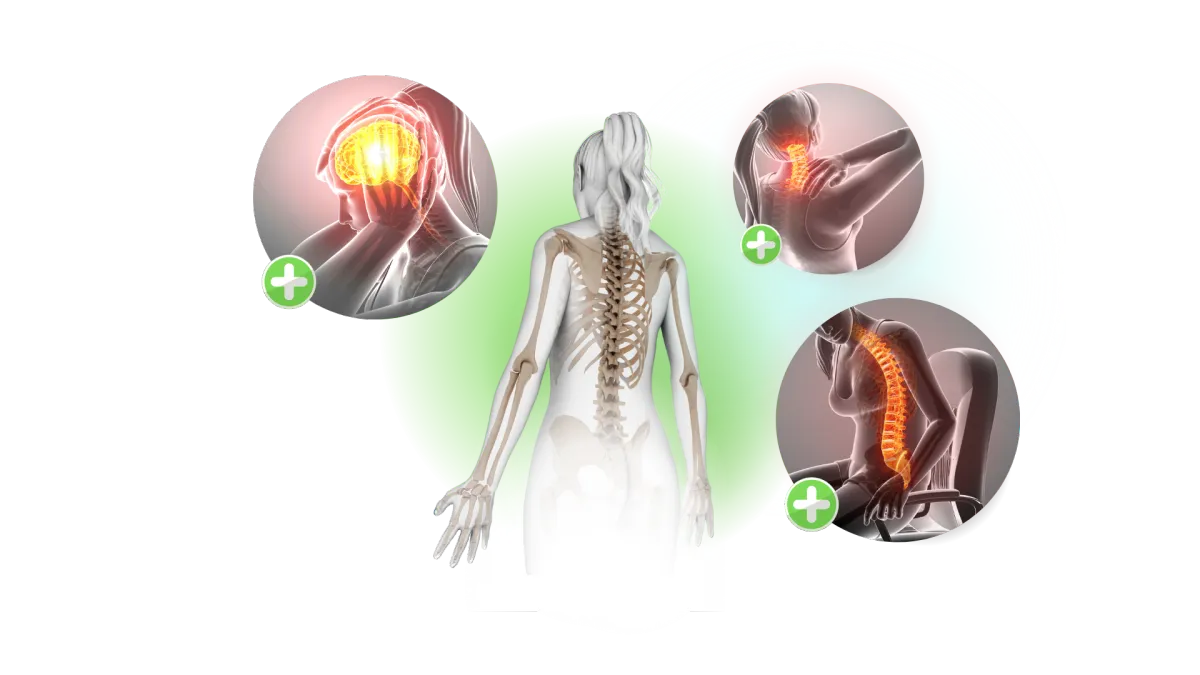
Combining natural hands-on treatment with our week-on-week progressive system to help symptoms like back pain, neck pain and headaches.
Start NOW. Just 1-click away
We help people feel safer and more confident moving again.
Save On Your Treatment Costs
Each visit is £50.
Save if you choose to pre pay.

Start NOW. Just 1-click away
Our clients tell us they can do more of what they enjoy once their pain is under control. Everyone’s different, and results vary.
Peter Bennett, Chiropractor – Registered with the General Chiropractic Council (Reg. No: 01124)
I'm Peter Bennett!
Hello, I’m Peter Bennett, a chiropractor based in Penrith, Cumbria.
I’ve spent more than 25 years helping people reduce pain, move better, and get more life back into their years.
My approach is gentle — no cracking, no heavy-handed adjustments — just safe, effective techniques that work with your body instead of against it.
Over the years, I’ve learned that the human body is incredibly good at trying to heal itself. My job is simply to understand what it’s trying to do and give it the right support.
People come to see me for all sorts of reasons — stiff backs after gardening, neck pain from long hours at a desk, or just feeling less steady than they used to.
Whatever brings you in, my goal is the same: to help you move more easily and feel more confident doing the things you love.
I believe great healthcare starts with kindness, clear explanations, and respect for each person’s pace. You’ll never be rushed or pressured here — just guided gently toward better movement and lasting results.
When I’m not in clinic, I’m usually outdoors walking in the fells, writing about longevity science, or creating online programs that help people stay active and independent later in life.

Why I Do This
When I first started in chiropractic, I thought the job was all about fixing spines.
But over the years, I’ve realised it’s really about helping people trust their bodies again.
I’ve seen how back pain can slowly chip away at someone’s confidence — the way they move, work, even how they laugh. One day it’s just a niggle, and before long it’s changed how they live. Helping someone turn that around, gently and safely, is still the best part of my week.
I’ve always believed the body isn’t broken — it’s doing its best to protect you. My role is to understand what it’s trying to do and guide it back toward balance. That might mean easing tension in the spine, retraining movement, or simply helping you breathe a little easier.
What keeps me going is seeing people realise they can do more than they thought — walking the fells again, picking up grandchildren, or just waking up without that constant stiffness.
It’s those moments that remind me why I chose this path all those years ago.
My aim has never been just to treat backs — it’s to help people move freely, live fully, and enjoy their years with confidence.
FAQS
What conditions can we help with?
Spinal health care can help a wide range of conditions, including back and neck pain, headaches, sciatica, joint pain, and even issues related to posture. It's not just about addressing the symptoms; it's about improving your overall health and well-being by improving the health of your spine and nervous system. If you have specific concerns or questions about your condition, please don't hesitate to ask for a consultation to discuss how spinal health care can benefit you.
Is spinal health care safe, and are the adjustments painful?
Spinal health care is generally considered safe when performed by trained professionals. The adjustments are typically not painful; in fact, many clients report feeling relief and improved mobility after an adjustment. Our therapists are highly skilled and will use gentle techniques tailored to your individual needs. Your comfort and safety are our top priorities, and we will explain every step of the process to ensure you feel at ease during your sessions.
How many visits will I need to see results?
The number of sessions you'll need depends on various factors, including the nature and severity of your condition, your overall health, and your treatment goals. Some clients experience relief after just a few sessions, while others may require more ongoing care. During your initial Spinal Health Assessment, we will assess your specific situation and provide a personalised treatment plan. Our goal is to provide efficient and effective care, so you can return to a pain-free and healthy lifestyle as soon as possible.
When should I see my doctor instead of a chiropractor?
Most back or neck problems are mechanical and respond well to gentle chiropractic care.
See your GP or call NHS 111 if you have fever, weight loss, cancer history, night sweats, recent trauma, numbness in the saddle area, bladder or bowel changes, severe unrelenting pain, or sudden weakness.
Call 999 immediately if you notice stroke signs —
Face drooping, Arm weakness, Speech changes, Time to call 999 (FAST) — or sudden dizziness, vision loss, or a severe new headache.
If you’re unsure, call us — we’ll help you decide the safest next step.
Latest Articles on Spinal Health
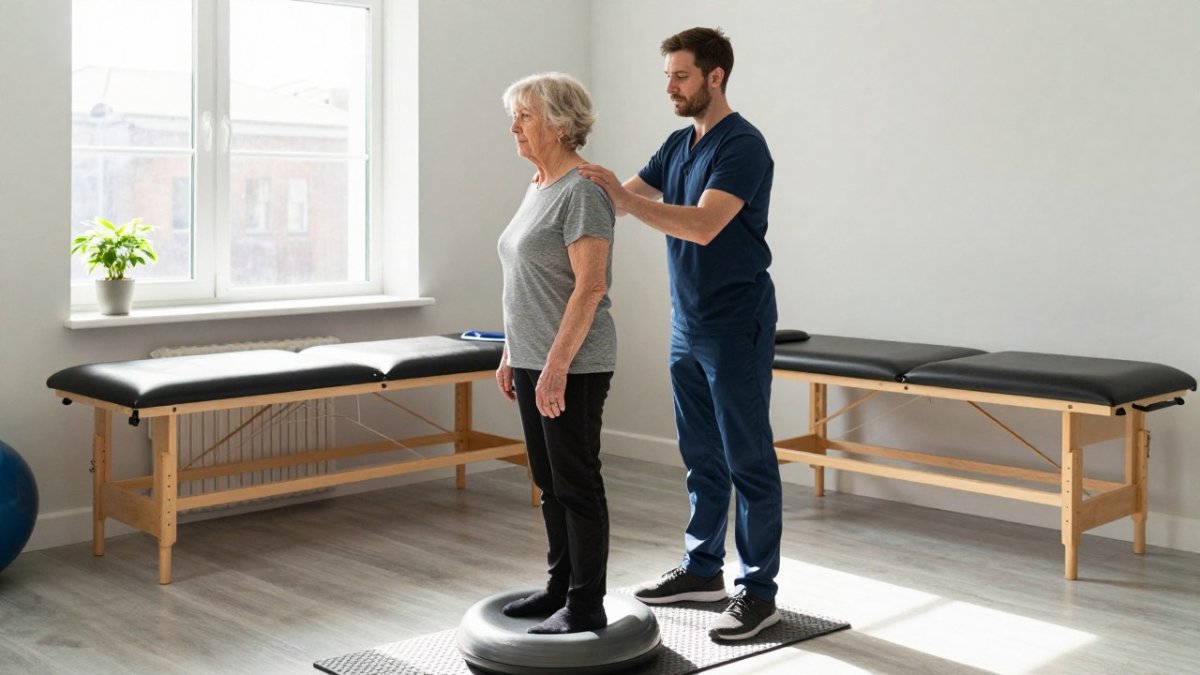
Can Spinal Alignment Help Prevent Falls in Seniors?
Last Updated: November 10, 2026
Quick Summary
Spinal alignment supports balance and movement, but it does not prevent falls on its own. The strongest prevention comes from balance and strength exercise, medication review, vision checks, home hazard reduction and a GP-led falls assessment, with spinal care as a supporting measure.
- Falls usually have several causes, so a layered plan works better than a single fix.
- Balance and leg-strength exercise is among the best-supported ways to reduce falls.
- Review prescriptions with a GP or pharmacist, since some medicines cause dizziness or drowsiness.
- Spinal care may improve comfort and mobility, but evidence does not show it prevents falls alone.
- After any fall, see a GP and call 999 if there is head injury, severe pain or confusion.
Table of Contents
- Why Falls Matter for Older Adults and Why Prevention Pays Off
- Causes of Falls in Older Adults NHS Guidance Highlights
- How Spinal Alignment Relates to Balance, Stability and Coordination
- Exercises to Improve Balance for Elderly People
- Gentle Spinal Adjustments for Seniors: What to Expect and What to Ask
- Home Hazards, Medication, Vision and Blood-Pressure Checks to Review
- Booking a Falls-Risk Assessment and Your Next Steps in Penrith
- Frequently Asked Questions
Why Falls Matter for Older Adults and Why Prevention Pays Off
Falls are one of the most common reasons older adults end up in hospital, and they often mark the start of a slide in independence.
A fall rarely has one cause. Many people fall because several small factors combine, such as weaker legs, slower reactions, a loose rug, or a new prescription.
Prevention pays off in two ways. It reduces the risk of injury, such as a broken hip or wrist, and it protects confidence. Many older adults start to avoid walking after one bad fall, which further weakens the muscles they rely on.
- Injury risk: Fractures can lead to long recovery times.
- Independence: Fear of falling can shrink daily activity.
- Health costs: Falls add pressure on families and local services.
A common question is whether spinal care can help. For background, the NHS guidance on preventing falls sets out the practical steps that matter most for older adults.
Causes of Falls in Older Adults NHS Guidance Highlights
The NHS describes falls as a serious risk that usually has several contributing causes.
Common risk factors include:
- Muscle weakness, especially in the legs and hips
- Poor balance or slow reactions
- Vision problems, such as cataracts or outdated glasses
NHS page on falls causes and risk factors lists these factors in more detail and explains when to ask a GP for a review.
Watch out: Dizziness on standing is easy to dismiss. If it happens often, speak to a GP before assuming it is just part of getting older.
How Spinal Alignment Relates to Balance, Stability and Coordination
Spinal alignment means how the bones of the spine, the vertebrae, sit in relation to one another, from the base of the skull to the pelvis. It is not a single fixed position.
That matters for balance because standing and walking are not passive.
When posture shifts, through long periods of sitting, an old injury, arthritis, or simply age-related stiffness, several things can change at once:
- Weight distribution: The centre of gravity drifts, so the feet and ankles have to work harder to keep you upright.
- Trunk control: Stiffness in the mid-back or neck can make turning the head, reaching, or reacting to a stumble feel slower and more awkward.
- Confidence: People who feel stiff and unsteady often shorten their stride and look down more, which itself changes how they walk.
A common pattern practitioners see is a cycle rather than a single cause: stiffness leads to less movement, less movement leads to weaker supporting muscles, and weaker muscles make the next stumble more likely.
What the Evidence Does and Does Not Show About Spinal Alignment
This is where honesty matters. Alongside these evidence-based measures, a holistic approach can help keep physical wellbeing and day-to-day care in view, with YogaNurse® offering a natural next step in considering how these needs fit together.
Evidence specifically linking spinal alignment, or spinal adjustment, to fewer falls is much thinner.
A useful way to think about it:
- Supported: exercise that challenges balance and builds leg strength; reviewing medicines that cause dizziness; correcting vision; removing trip hazards; treating low blood pressure on standing.
- Plausible but unproven as a stand-alone fix: spinal care or posture work improving comfort and mobility enough to support safer movement.
- Not supported: promises that a course of adjustments will stop falls, or that alignment is the primary cause of falls in older adults.
Spinal care may help with mobility and comfort, which can make movement feel safer and more confident. It should sit alongside proven measures, not replace them.
NHS guidance on falls prevention and balance exercises
Exercises to Improve Balance for Elderly People
Simple, regular exercise is one of the strongest tools for better balance. For more structured routines, our expert tips and tailored exercises for older adults cover balance and coordination in more depth.
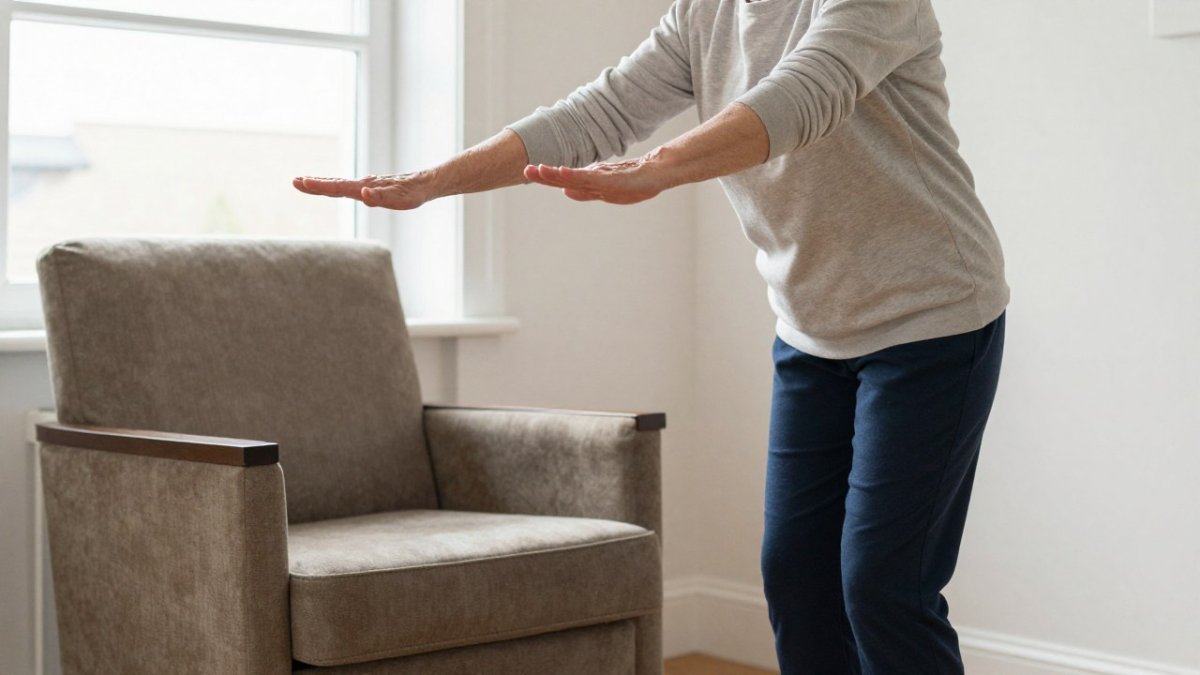
A practical starting routine:
- Heel-to-toe walking: Walk along a line, placing one heel directly in front of the other toes. Do 10 steps, twice a day.
- Single-leg stands: Hold a chair and lift one foot for 10 seconds. Switch sides.
- Sit-to-stand: Rise from a chair without using your hands. Repeat 5 times.
- Side leg raises: Lift one leg out to the side while holding a chair. Repeat 8 times per side.
- Gentle trunk rotation: Sit upright and turn your upper body slowly from side to side.
Consistency matters more than intensity. Most people do best with short sessions most days of the week.
Watch out: Do not try balance exercises on wet floors or without something stable nearby. Start with support and build up gradually.
Gentle Spinal Adjustments for Seniors: What to Expect and What to Ask
Some older adults worry that spinal treatment will be rough or painful, especially after a bad experience elsewhere. Gentle, non-forceful chiropractic methods are one option, without forceful joint cracking. Our page on non-forceful chiropractic treatment for seniors explains what the approach involves.
When considering any spinal treatment, it helps to ask:
- What is the reason for this treatment, and what results are realistic?
- Will the approach be adjusted for my age, bones and medical conditions?
- Who should I speak to if I have concerns about medication or existing conditions?
A good practitioner will answer these questions plainly. If you feel rushed or pressured, that is a sign to ask more questions or seek a second opinion. NHS guidance on choosing a chiropractor offers further advice on what to check before starting treatment.
The questions below can help you judge whether a spinal treatment is suitable and what it should be measured against.
| Question to ask | Why it matters | What a good answer looks like |
|---|---|---|
| What is the reason for this treatment? | Sets expectations | A clear, specific goal |
| What results are realistic? | Avoids unfounded promises | Honest limits stated plainly |
| Will it be adjusted for my age and bones? | Safety for older adults | Adapted to your health history |
| Who should I speak to about medication? | Covers existing conditions | Points you to your GP or pharmacist |
| How will progress be measured? | Shows whether it is working | Defined checkpoints over weeks |
| Will each step be explained first? | Builds trust and consent | Plain explanation before treatment |
Home Hazards, Medication, Vision and Blood-Pressure Checks to Review
Preventing falls usually depends on several everyday checks, not spinal care alone. A review of the home, medicines, eyes and blood pressure can uncover risks that are easy to fix.
Key areas to review:
- Home hazards: Remove loose rugs, tidy cables, add grab rails in the bath, and use good lighting on stairs.
- Medication: Ask a pharmacist or GP to check whether any prescriptions or sleep aids add to dizziness.
- Vision: Get eyes tested regularly and keep glasses up to date.
Small changes in these areas often reduce risk quickly and cost little.
Booking a Falls-Risk Assessment and Your Next Steps in Penrith
If you or someone you care for has fallen, or feels unsteady, the first step is to speak to a GP. In the UK, the GP surgery is the usual route into a falls assessment: they can check for medical causes, review medicines, and refer you to community falls services or therapy where appropriate. You do not need to have broken anything to ask, a near-fall or a growing fear of falling is reason enough.
Immediately after a fall or near-fall
- Check for injury before moving. If there is pain in the hip, back or head, or you cannot bear weight, do not try to get up alone, call 999 for help.
- Get up safely if you can. Roll onto your side, push up onto hands and knees, use a stable chair to rise. If you cannot get up, keep warm and call for help.
- Record what happened. Note the time, where you were, what you were doing, whether you felt dizzy, and what you were wearing on your feet. This detail is genuinely useful to a GP or falls clinician.
- Tell someone. Contact the surgery, even if you feel fine, so the fall is on your record and can be reviewed.
- Watch for warning signs. A head injury, new confusion, severe headache, vomiting, or weakness on one side needs urgent medical attention, call 999 or go to A&E.
What a falls assessment usually involves
A falls-risk assessment is not a single test. A GP or falls clinician will typically ask about previous falls, review your medicines for anything that causes dizziness or drowsiness, check your blood pressure lying and standing, test vision and hearing, and look at how you walk and balance. They may also ask about bone health and vitamin D, and about alcohol and home circumstances.
Finding appropriately regulated local practitioners
If you are considering spinal or manual care alongside this, check that the practitioner is registered with a UK regulator, the General Chiropractic Council for chiropractors, or the Health and Care Professions Council for physiotherapists. Registration is public and checkable. Ask what the treatment is for, what results are realistic, and how it fits with the rest of your falls plan.
A sensible next-steps plan
- Speak to a GP about the fall, any near-falls, and medication changes.
- Ask for a balance and strength review through local NHS or community falls services.
- Start a simple daily exercise routine, with support nearby.
- Make the home safer using the checks above.
- Arrange a spinal health assessment only if neck or back stiffness is genuinely affecting movement, and keep it alongside, not instead of, the proven measures.
Our team at Your Spinal Health offers gentle chiropractic care in Penrith, and we can explain what a Spinal Health Assessment involves. Spinal Health Assessment Our approach is calm and personalised, and we will tell you plainly if we think spinal care is not the right fit. You can also read about our gentle approach to care for seniors. gentle chiropractic care for seniors
You can book a consultation to talk through your concerns and a sensible plan. book your gentle chiropractic consultation
Frequently Asked Questions
How does spinal alignment affect balance in older adults?
Posture influences where your centre of mass sits over your feet, and this affects how well you correct a stumble. Research on the link between spinal alignment and balance is limited and mixed, so posture is best treated as one factor among several. Strength in the legs and core, reaction time, vision, medication effects and home hazards matter at least as much. A healthcare professional can assess your posture and balance together and advise on what is worth working on.
Can chiropractic care help prevent falls in seniors?
Chiropractic care may help some people with neck or back pain that limits movement, and a chiropractor can assess spinal mobility. However, there is no robust evidence that spinal adjustments alone prevent falls. Established fall prevention includes strength and balance exercise, a medication review, eye and hearing checks, and home safety changes. If you are considering chiropractic care, ask how it fits into a wider plan and what evidence supports it. Speak to your GP before starting any new treatment.
What are the most common causes of falls in older adults in the UK?
NHS guidance points to a combination of factors, including reduced muscle strength and balance, poor vision, certain medicines that cause dizziness or drowsiness, low blood pressure when standing up, and hazards at home such as loose rugs, poor lighting and clutter. Previous falls and conditions affecting the feet, heart or nervous system also raise risk. Many of these factors can be reduced with simple changes, so it is worth discussing your own risk with your GP or pharmacist.
What should I do after a fall or near-fall?
If you have hit your head, are in pain, cannot get up or feel unwell, call 999 or contact NHS 111 promptly. Otherwise, rest, check for injuries, and avoid getting up too quickly. Tell your GP about the fall, even if you feel fine, so they can review medication and risk factors. Consider what caused it, such as a trip hazard or dizziness on standing, and address it. Arranging a falls-risk assessment can help identify the cause and a safe plan going forward.