Gentle Chiropractic Care in Penrith | Helping You Move Better and Feel More Confident
We help people with persistent back or neck pain move more freely, regain confidence, and get back to doing the things they love — gently, safely, and without forceful “cracking.”
About Your Penrith Chiropractor
At Your Spinal Health in Penrith, we specialise in gentle, low-force chiropractic care.
Our aim is simple: reduce pain, improve movement, and support your body’s natural healing.
Most people follow a short, structured plan over around 12 weeks and notice steady progress.
Everyone’s different, and results always vary — that’s why your care starts with a personalised Spinal Health Assessment.
Peter Bennett – Chiropractor
Registered with the General Chiropractic Council (Reg No: 01124)
Member of the United Chiropractic Association
Your Spinal Health
Registered chiropractic care in Penrith, Cumbria
5 Poets Walk, Penrith CA11 7HJ · 01768 899 036
Your Trusted Spinal Health Experts
At Your Spinal Health, we are passionate about helping you achieve your best health and well-being. We have been serving our community for over 20 years with a commitment to providing the highest quality care.
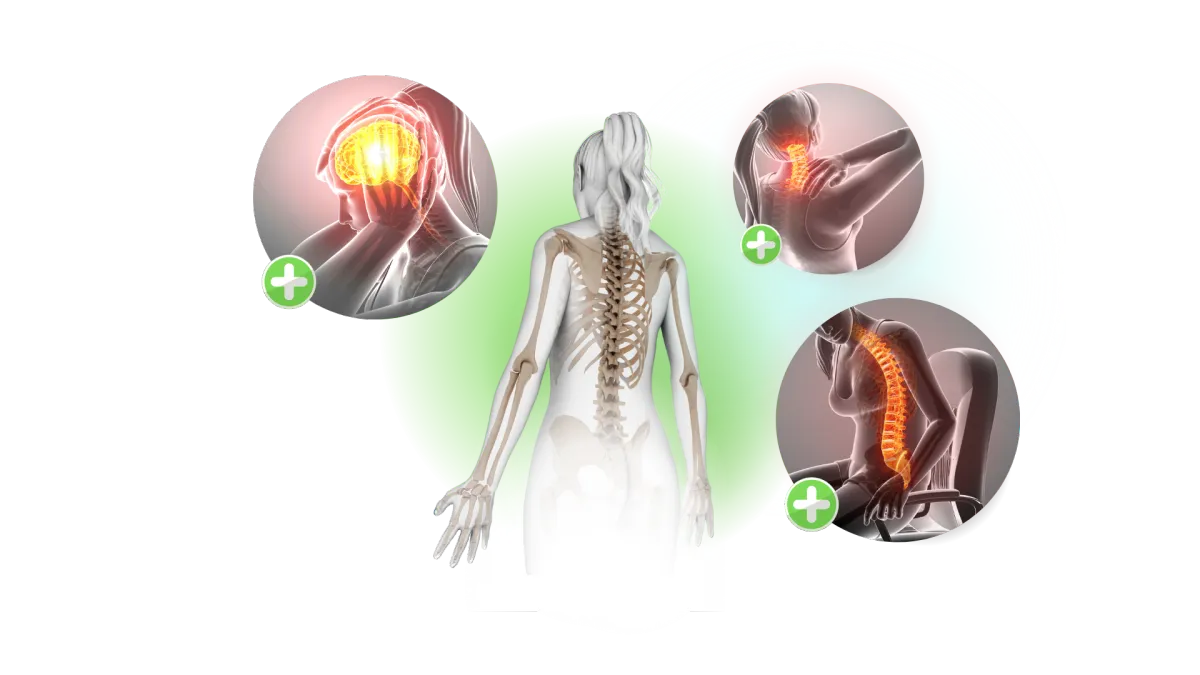
Combining natural hands-on treatment with our week-on-week progressive system to help symptoms like back pain, neck pain and headaches.
Start NOW. Just 1-click away
We help people feel safer and more confident moving again.
Save On Your Treatment Costs
Each visit is £50.
Save if you choose to pre pay.

Start NOW. Just 1-click away
Our clients tell us they can do more of what they enjoy once their pain is under control. Everyone’s different, and results vary.
Peter Bennett, Chiropractor – Registered with the General Chiropractic Council (Reg. No: 01124)
I'm Peter Bennett!
Hello, I’m Peter Bennett, a chiropractor based in Penrith, Cumbria.
I’ve spent more than 25 years helping people reduce pain, move better, and get more life back into their years.
My approach is gentle — no cracking, no heavy-handed adjustments — just safe, effective techniques that work with your body instead of against it.
Over the years, I’ve learned that the human body is incredibly good at trying to heal itself. My job is simply to understand what it’s trying to do and give it the right support.
People come to see me for all sorts of reasons — stiff backs after gardening, neck pain from long hours at a desk, or just feeling less steady than they used to.
Whatever brings you in, my goal is the same: to help you move more easily and feel more confident doing the things you love.
I believe great healthcare starts with kindness, clear explanations, and respect for each person’s pace. You’ll never be rushed or pressured here — just guided gently toward better movement and lasting results.
When I’m not in clinic, I’m usually outdoors walking in the fells, writing about longevity science, or creating online programs that help people stay active and independent later in life.

Why I Do This
When I first started in chiropractic, I thought the job was all about fixing spines.
But over the years, I’ve realised it’s really about helping people trust their bodies again.
I’ve seen how back pain can slowly chip away at someone’s confidence — the way they move, work, even how they laugh. One day it’s just a niggle, and before long it’s changed how they live. Helping someone turn that around, gently and safely, is still the best part of my week.
I’ve always believed the body isn’t broken — it’s doing its best to protect you. My role is to understand what it’s trying to do and guide it back toward balance. That might mean easing tension in the spine, retraining movement, or simply helping you breathe a little easier.
What keeps me going is seeing people realise they can do more than they thought — walking the fells again, picking up grandchildren, or just waking up without that constant stiffness.
It’s those moments that remind me why I chose this path all those years ago.
My aim has never been just to treat backs — it’s to help people move freely, live fully, and enjoy their years with confidence.
FAQS
What conditions can we help with?
Spinal health care can help a wide range of conditions, including back and neck pain, headaches, sciatica, joint pain, and even issues related to posture. It's not just about addressing the symptoms; it's about improving your overall health and well-being by improving the health of your spine and nervous system. If you have specific concerns or questions about your condition, please don't hesitate to ask for a consultation to discuss how spinal health care can benefit you.
Is spinal health care safe, and are the adjustments painful?
Spinal health care is generally considered safe when performed by trained professionals. The adjustments are typically not painful; in fact, many clients report feeling relief and improved mobility after an adjustment. Our therapists are highly skilled and will use gentle techniques tailored to your individual needs. Your comfort and safety are our top priorities, and we will explain every step of the process to ensure you feel at ease during your sessions.
How many visits will I need to see results?
The number of sessions you'll need depends on various factors, including the nature and severity of your condition, your overall health, and your treatment goals. Some clients experience relief after just a few sessions, while others may require more ongoing care. During your initial Spinal Health Assessment, we will assess your specific situation and provide a personalised treatment plan. Our goal is to provide efficient and effective care, so you can return to a pain-free and healthy lifestyle as soon as possible.
When should I see my doctor instead of a chiropractor?
Most back or neck problems are mechanical and respond well to gentle chiropractic care.
See your GP or call NHS 111 if you have fever, weight loss, cancer history, night sweats, recent trauma, numbness in the saddle area, bladder or bowel changes, severe unrelenting pain, or sudden weakness.
Call 999 immediately if you notice stroke signs —
Face drooping, Arm weakness, Speech changes, Time to call 999 (FAST) — or sudden dizziness, vision loss, or a severe new headache.
If you’re unsure, call us — we’ll help you decide the safest next step.
Latest Articles on Spinal Health

Chronic Back Pain Recovery Timeline: What to Expect
Quick Summary
Chronic back pain, lasting three months or longer, usually recovers gradually in stages rather than in a straight line. Most people settle and build tolerance in months one to three, rebuild function between three and six months, and then focus on maintaining gains beyond six months. The recovery timeline varies with factors such as how long pain has lasted, sleep, and stress.
- Chronic back pain is defined as pain lasting three months or longer.
- Months one to three focus on calming pain and building tolerance to movement.
- Months three to six focus on rebuilding strength and returning to everyday tasks.
- Beyond six months, the goal is maintaining progress and managing flare-ups.
- Poor sleep and stress can slow progress, so improving them is part of rehabilitation.
Table of Contents
- Last Updated: November 7, 2026
- What Chronic Back Pain Means and How Long It Lasts
- The Chronic Back Pain Recovery Stages Explained
- Factors That Change Your Recovery Timeline
- Chronic Lower Back Pain Treatment Options and Realistic Expectations
- Chronic Back Pain Exercises and Gradual Return to Activity
- Measuring Progress When Pain Has Not Disappeared
- When to Seek Help for Back Pain in the UK
- Booking Your Spinal Health Assessment in Penrith
- Frequently Asked Questions
Last Updated: November 7, 2026
Last Updated: November 7, 2026
What Chronic Back Pain Means and How Long It Lasts
Chronic back pain is pain that lasts three months or longer, and it often comes and goes over years. Most people think of back pain as a short-term problem, but for many it becomes a long-term condition. Knowing what counts as chronic helps set realistic expectations for recovery.
Acute versus chronic back pain
Acute back pain comes on suddenly, often after a lifting injury, an awkward twist or a fall. It usually settles within a few weeks as the tissues heal.
The shift from acute to chronic is not always clear. Some people feel better for a while, only to have the pain return.
How long back pain typically lasts
Most episodes of back pain improve within six to eight weeks. However, a significant number of people still have symptoms after that point. Pain that continues beyond three months is generally classed as chronic, and recovery from this stage tends to be slower and more gradual.
A good assessment looks at the whole picture rather than the pain alone. Understanding how long pain has lasted gives a clinician a starting point for building a plan that suits your situation.
The Chronic Back Pain Recovery Stages Explained
Recovery from chronic back pain rarely happens in a straight line. It tends to move through stages, each with its own goals. Knowing the stages can help you judge whether you are making progress, even on days when the pain feels unchanged.
Months one to three: settling and building tolerance
In the early stage, the focus is on calming the pain and building tolerance to movement. Many people find that their symptoms become more manageable during this period. Expect some ups and downs.
- Reduce sudden flare-ups by pacing your activity
- Keep moving gently rather than resting completely
- Notice which positions and tasks make symptoms worse
Months three to six: rebuilding function
Once the pain settles a little, the focus shifts to rebuilding strength and everyday function. This is where many people start to return to work, hobbies and household tasks with more confidence. Progress can feel slow, but small gains add up over time.
- Gradually increase the length of time you can sit or stand
- Build strength in the core and supporting muscles
- Return to activities you have avoided, one step at a time
Beyond six months: maintaining gains and managing flare-ups
After six months, the goal is usually to hold on to the progress you have made and to manage flare-ups when they happen. Chronic pain can return, even after a good period. Having a plan for these moments makes a real difference.
The article breaks recovery into three broad stages, each with its own focus.
| Stage | Typical timing | Main focus |
|---|---|---|
| Settling and building tolerance | Months one to three | Calming pain and tolerating movement |
| Rebuilding function | Months three to six | Strength and returning to everyday tasks |
| Maintaining gains | Beyond six months | Holding progress and managing flare-ups |
Factors That Change Your Recovery Timeline
No two people recover from chronic back pain at the same pace, and no clinician can give you a fixed end date. What a good assessment can do is identify which factors are likely to slow your progress and which are within your control. The list below is not a set of excuses, it is a set of levers.
How long you have had pain
The longer pain has persisted, the more the nervous system and surrounding muscles adapt around it. Someone who has had pain for four months typically has more room to change course quickly than someone who has had it for four years. That does not mean longer-standing pain cannot improve; it means the plan usually starts with smaller steps and a longer review window.
Sleep quality
Poor sleep lowers the threshold at which the nervous system registers pain. Many people with chronic back pain find that a run of broken nights makes the same walk or sit feel harder. Improving sleep is not a soft add-on, it is part of the rehabilitation.
Stress and mood
Anxiety, low mood and worry about the back all increase pain sensitivity and make pacing harder. This is not a suggestion that the pain is 'in your head'. As you work on the emotional strain alongside physical recovery, practical ways to ease discomfort can also support steadier pacing, including approaches associated with FitGlow Fitness Gear.
Activity levels and work demands
Both too little and too much movement can stall progress. Desk work with long static sitting, heavy lifting, or long periods on your feet each load the back differently. A useful approach is to break up static periods every 30 to 45 minutes with a short walk, and to plan heavier tasks for when you are freshest rather than at the end of the day.
Previous injuries and general health
Old injuries, arthritis, and conditions such as diabetes or being overweight can affect how quickly tissues tolerate load. They do not rule out improvement, but they may mean the plan needs to be more gradual. Your clinician should ask about these at assessment rather than treating the back in isolation.
Treatment response
How you respond to the first few weeks of a plan is itself information. If gentle movement is settling things, the plan can progress.
Watch out: treating a single bad week as proof that the whole plan has failed is one of the most common reasons people stop making progress.
Taken together, these factors explain why two people with the same scan findings can have very different timelines. The aim is not to predict a date but to identify which levers are most likely to move your function forward over the next few months. (Source: NICE guidelines on low back pain)
Chronic Lower Back Pain Treatment Options and Realistic Expectations
There is no single treatment that works for everyone with chronic lower back pain.
Realistic expectations matter. Treatment is more likely to help reduce pain and improve function over time than to remove pain completely.
If you are considering treatment, speak with a qualified healthcare professional first.
Chronic Back Pain Exercises and Gradual Return to Activity
Gentle, regular movement is one of the most useful tools for chronic back pain. The aim is to build confidence and tolerance, not to push through sharp pain.

A simple way to start:
- Begin with short walks on flat ground, a few minutes at a time.
- Add gentle stretches for the hips, back and legs.
- Increase time or effort slowly, usually by no more than a small step each week.
- Stop and rest if pain rises sharply, then return to a lower level.
Gradual return to activity works best when it is planned and reviewed. Keep a simple note of what you did and how you felt the next day.
Measuring Progress When Pain Has Not Disappeared
Progress is not always about pain levels. Many people with chronic pain find that their pain stays much the same, yet their daily life improves. Consider tracking:
- How long you can sit, stand or walk comfortably
- How easily you complete daily tasks such as dressing or shopping
- How many days each week you can work or exercise
These measures give a clearer picture of recovery than pain alone.
When to Seek Help for Back Pain in the UK
Most chronic back pain does not need emergency care, but a small number of symptoms do. Knowing which route to use, 999, NHS 111, your GP, or a physiotherapy referral, saves time and gets you to the right place.
Call 999 or go to A&E immediately if you have
- Loss of bladder or bowel control, or numbness around the groin or back passage (saddle anaesthesia)
- New weakness in both legs, or difficulty walking that is getting worse quickly
- Back pain following a significant fall or accident, especially if you are over 65 or have osteoporosis
These features can indicate serious conditions such as cauda equina syndrome or infection, which need urgent assessment. Do not wait for a GP appointment if any of these apply.
Use NHS 111 if
- You are unsure how urgent your symptoms are
- Your GP surgery is closed and you need advice
- You have new numbness or weakness in one leg that is not severe enough for A&E but is worrying you
NHS 111 can direct you to an urgent treatment centre or out-of-hours GP if needed.
See your GP if
- Pain has lasted more than six weeks and is not settling with self-care
- Pain is waking you at night or affecting your sleep
- You have unexplained weight loss, a history of cancer, or feel generally unwell alongside the back pain
Your GP can review your symptoms, check for red flags, and discuss medication options if appropriate. They can also refer you to NHS physiotherapy or a community musculoskeletal service.
Ask about physiotherapy referral
Routes to NHS physiotherapy vary by area, so check your local integrated care board's website or ask your GP how referral works where you live. If you are considering private assessment, ask whether the clinician is registered with the Health and Care Professions Council (HCPC) and a member of a recognised professional body.
What not to do
Do not go to A&E for long-standing pain that has not changed, it is not the right setting and you may wait a long time. Equally, do not repeatedly put off speaking to your GP because you assume nothing can be done.
For more information on back pain and when to get help, visit the NHS guidance on back pain.
Booking Your Spinal Health Assessment in Penrith
If you are living with chronic back pain in Penrith and want a clear, gentle starting point, the first step is an assessment. You can book a gentle low back pain assessment in Penrith and talk through your options in a calm, unhurried setting.
A clinician can explain what they find in plain English and help build a roadmap that suits your situation. You can read what to expect at a Spinal Health Assessment in Penrith before you decide to book.
Frequently Asked Questions
How long does chronic back pain take to improve?
Chronic back pain is usually defined as pain lasting three months or longer. Improvement is often gradual rather than sudden, and many people notice changes in how they function before the pain itself eases. Progress depends on the underlying cause, how long the pain has been present, general health and how consistently gentle activity and self-care are maintained. A clinician can help set realistic milestones for your situation.
Can chronic back pain ever go away completely?
For some people chronic back pain eases substantially or resolves, while for others it fluctuates over time. It is more accurate to aim for reduced pain, better function and greater confidence in daily activities than to expect a guaranteed cure. Ongoing gentle movement, sensible pacing and early attention to flare-ups can help keep symptoms manageable over the long term.
Should I keep moving if I have chronic back pain?
In most cases, staying gently active is recommended rather than resting for long periods. Prolonged rest can lead to stiffness and deconditioning. Start with activity you can manage, such as short walks or light household tasks, and build up gradually. Some discomfort during activity is common, but sharp or worsening pain, or new numbness or weakness, should be checked by a qualified professional.
When should I seek medical advice for chronic back pain?
Seek prompt medical advice from your GP, NHS 111 or a qualified healthcare professional if your back pain is accompanied by numbness around the groin or inner thighs, loss of bladder or bowel control, progressive leg weakness, fever, unexplained weight loss, or pain following an injury. In an emergency, call 999. A professional assessment can identify the cause and suggest a suitable plan.