Gentle Chiropractic Care in Penrith | Helping You Move Better and Feel More Confident
We help people with persistent back or neck pain move more freely, regain confidence, and get back to doing the things they love — gently, safely, and without forceful “cracking.”
About Your Penrith Chiropractor
At Your Spinal Health in Penrith, we specialise in gentle, low-force chiropractic care.
Our aim is simple: reduce pain, improve movement, and support your body’s natural healing.
Most people follow a short, structured plan over around 12 weeks and notice steady progress.
Everyone’s different, and results always vary — that’s why your care starts with a personalised Spinal Health Assessment.
Peter Bennett – Chiropractor
Registered with the General Chiropractic Council (Reg No: 01124)
Member of the United Chiropractic Association
Your Spinal Health
Registered chiropractic care in Penrith, Cumbria
5 Poets Walk, Penrith CA11 7HJ · 01768 899 036
Your Trusted Spinal Health Experts
At Your Spinal Health, we are passionate about helping you achieve your best health and well-being. We have been serving our community for over 20 years with a commitment to providing the highest quality care.
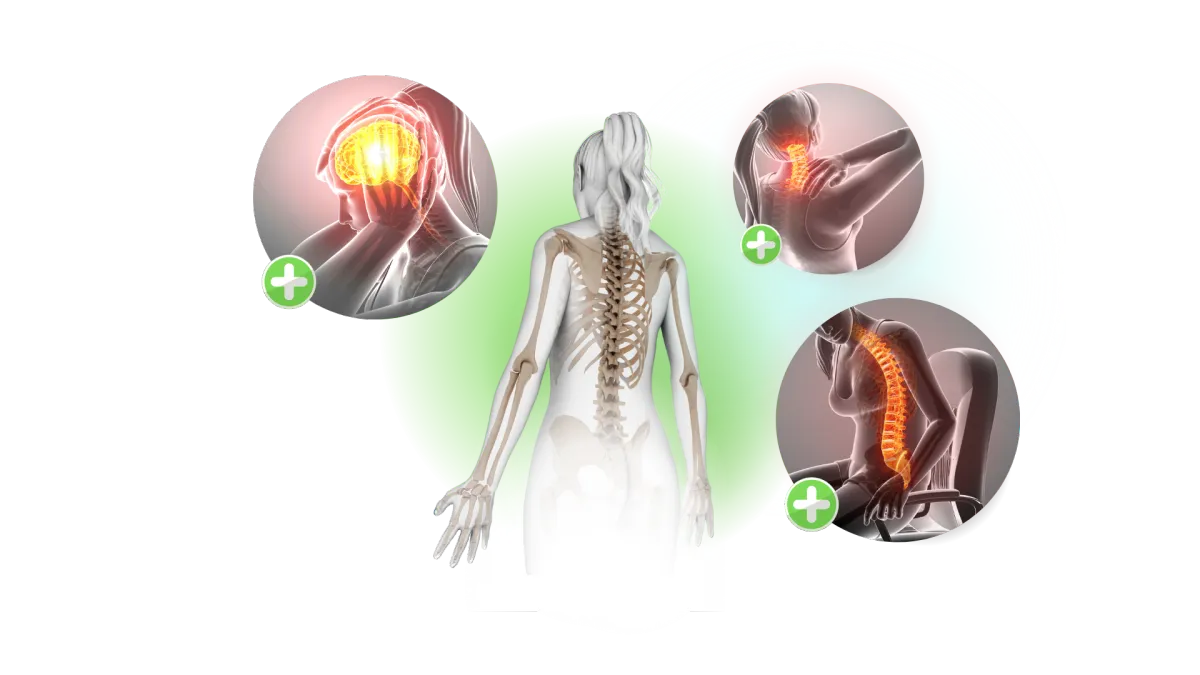
Combining natural hands-on treatment with our week-on-week progressive system to help symptoms like back pain, neck pain and headaches.
Start NOW. Just 1-click away
We help people feel safer and more confident moving again.
Save On Your Treatment Costs
Each visit is £50.
Save if you choose to pre pay.

Start NOW. Just 1-click away
Our clients tell us they can do more of what they enjoy once their pain is under control. Everyone’s different, and results vary.
Peter Bennett, Chiropractor – Registered with the General Chiropractic Council (Reg. No: 01124)
I'm Peter Bennett!
Hello, I’m Peter Bennett, a chiropractor based in Penrith, Cumbria.
I’ve spent more than 25 years helping people reduce pain, move better, and get more life back into their years.
My approach is gentle — no cracking, no heavy-handed adjustments — just safe, effective techniques that work with your body instead of against it.
Over the years, I’ve learned that the human body is incredibly good at trying to heal itself. My job is simply to understand what it’s trying to do and give it the right support.
People come to see me for all sorts of reasons — stiff backs after gardening, neck pain from long hours at a desk, or just feeling less steady than they used to.
Whatever brings you in, my goal is the same: to help you move more easily and feel more confident doing the things you love.
I believe great healthcare starts with kindness, clear explanations, and respect for each person’s pace. You’ll never be rushed or pressured here — just guided gently toward better movement and lasting results.
When I’m not in clinic, I’m usually outdoors walking in the fells, writing about longevity science, or creating online programs that help people stay active and independent later in life.

Why I Do This
When I first started in chiropractic, I thought the job was all about fixing spines.
But over the years, I’ve realised it’s really about helping people trust their bodies again.
I’ve seen how back pain can slowly chip away at someone’s confidence — the way they move, work, even how they laugh. One day it’s just a niggle, and before long it’s changed how they live. Helping someone turn that around, gently and safely, is still the best part of my week.
I’ve always believed the body isn’t broken — it’s doing its best to protect you. My role is to understand what it’s trying to do and guide it back toward balance. That might mean easing tension in the spine, retraining movement, or simply helping you breathe a little easier.
What keeps me going is seeing people realise they can do more than they thought — walking the fells again, picking up grandchildren, or just waking up without that constant stiffness.
It’s those moments that remind me why I chose this path all those years ago.
My aim has never been just to treat backs — it’s to help people move freely, live fully, and enjoy their years with confidence.
FAQS
What conditions can we help with?
Spinal health care can help a wide range of conditions, including back and neck pain, headaches, sciatica, joint pain, and even issues related to posture. It's not just about addressing the symptoms; it's about improving your overall health and well-being by improving the health of your spine and nervous system. If you have specific concerns or questions about your condition, please don't hesitate to ask for a consultation to discuss how spinal health care can benefit you.
Is spinal health care safe, and are the adjustments painful?
Spinal health care is generally considered safe when performed by trained professionals. The adjustments are typically not painful; in fact, many clients report feeling relief and improved mobility after an adjustment. Our therapists are highly skilled and will use gentle techniques tailored to your individual needs. Your comfort and safety are our top priorities, and we will explain every step of the process to ensure you feel at ease during your sessions.
How many visits will I need to see results?
The number of sessions you'll need depends on various factors, including the nature and severity of your condition, your overall health, and your treatment goals. Some clients experience relief after just a few sessions, while others may require more ongoing care. During your initial Spinal Health Assessment, we will assess your specific situation and provide a personalised treatment plan. Our goal is to provide efficient and effective care, so you can return to a pain-free and healthy lifestyle as soon as possible.
When should I see my doctor instead of a chiropractor?
Most back or neck problems are mechanical and respond well to gentle chiropractic care.
See your GP or call NHS 111 if you have fever, weight loss, cancer history, night sweats, recent trauma, numbness in the saddle area, bladder or bowel changes, severe unrelenting pain, or sudden weakness.
Call 999 immediately if you notice stroke signs —
Face drooping, Arm weakness, Speech changes, Time to call 999 (FAST) — or sudden dizziness, vision loss, or a severe new headache.
If you’re unsure, call us — we’ll help you decide the safest next step.
Latest Articles on Spinal Health

Manage Spinal Health at Home: A 2026 Guide
Table of Contents
- Why Managing Spinal Health at Home Matters
- How to Fix Posture for Office Workers
- Home Office Ergonomics for Back Pain
- Spinal Health Exercises at Home
- Sleep Position and Spinal Support
- When to Seek Help for Back Pain
- Common Habits That Worsen Spinal Health
- Frequently Asked Questions
Last Updated: October 18, 2026
Why Managing Spinal Health at Home Matters
Your spine supports everything you do. When it's healthy, you move freely and work without pain. When it's not, even simple tasks become difficult.
Most people don't think about their spine until something hurts. By then, months or years of poor posture, weak muscles, or bad habits have already done damage. The good news: you can manage spinal health at home with the right approach.
At Your Spinal Health in Penrith, we've helped over 7,000 people since 2003 who found that small, consistent changes at home made a significant difference in their recovery.
This guide walks you through exactly how to manage spinal health at home: why your current habits might be hurting you, which exercises actually work, and when professional help is essential.
How to Fix Posture for Office Workers
Poor posture at work is the silent culprit behind most neck and back pain. When you slouch toward your screen, your spine bears weight it wasn't designed to carry, creating tension, weakness, and chronic discomfort over months.
The fix starts with knowing what good posture looks like: ears directly above your shoulders, shoulders relaxed rather than hunched, a gentle curve in your lower back, and feet flat on the floor or footrest. When you sit this way, your spine is in its strongest position.

Desk Setup Essentials
Your desk setup either supports good posture or fights against it, and most office workers have at least one element wrong that compounds over eight hours a day.
Your monitor should be at eye level. Looking down rounds your neck forward and strains the cervical spine; looking up extends it backward. Either way, pain follows. Raise your screen on a stand or monitor arm until the top aligns with your eyes when you sit upright.
Your chair matters more than most people realise. It should support the natural curve of your lower back.
Your keyboard and mouse should be close enough that your elbows stay near your body. Reaching forward strains your shoulders and upper back. Keep them directly in front of you, at a height where your wrists stay neutral, not bent up or down.
Postural Awareness Throughout the Day
Even the best desk setup fails if you slouch within an hour. Awareness is your first tool.
Set a timer on your phone for every 30 minutes. When it goes off, check yourself: are your shoulders creeping toward your ears, your head drifting forward, or your weight leaning to one side? If so, roll your shoulders back, sit tall, and return to neutral.
This sounds simple, but it works. Your muscles have memory. The more often you reset to good posture, the more natural it becomes. Within weeks, good posture requires less effort because your body has learned the position.
Between timer checks, notice what pulls you out of alignment: slouching when focused, leaning right on the phone, collapsing forward when tired. Once you identify your pattern, you can interrupt it before it becomes habit.
Home Office Ergonomics for Back Pain
If you already have back pain, your home office setup needs to be even more precise. Pain is your body's signal that something is wrong. Ignoring it while you work only makes it worse.
Start by understanding which movements trigger your pain: bending forward, twisting, or sitting in one position too long. Once you know your triggers, you can design your workspace to avoid them.
For most people with back pain, the issue is sitting too long without movement. Your discs absorb and release pressure as you move, so sitting still for hours builds pressure.
Your chair is critical when you have back pain. A firm chair with good lumbar support is non-negotiable, so invest in one if yours lacks it.
Keep a small foam roller or tennis ball near your desk.
Spinal Health Exercises at Home
Exercise is the most powerful tool for managing spinal health at home. Weak muscles can't support your spine; strong muscles stabilise it, reduce pain, and prevent future problems.
You don't need a gym or complicated routines. Fifteen minutes a day of the right exercises beats sporadic intense workouts, because consistency matters more than intensity.
Gentle Mobility Exercises
Mobility exercises restore movement to your spine, especially if you've been sitting all day or have morning stiffness.
Start with neck rolls. Slowly drop your chin to your chest, roll your right ear toward your right shoulder, continue backward to your left shoulder, then back to centre. Do five in each direction to gently mobilise all the joints in your neck.
Follow with shoulder rolls: five backward, feeling the movement through your upper back, then five forward. This releases tension that accumulates during desk work.
The cat-cow stretch is essential for your thoracic spine. On your hands and knees, arch your back, dropping your belly and lifting your gaze (cow), hold two seconds, then round your back, tucking your chin and drawing your belly in (cat), hold two seconds. Repeat ten times to mobilise your entire spine.
Strengthening Routines
Weak core muscles are the root cause of most chronic back pain. Your core isn't just your abs, it's your deep abdominal muscles, your lower back muscles, and your pelvic floor.
The dead bug exercise strengthens your core safely. Lie on your back with your knees bent and feet flat on the floor.
The bird dog exercise is another core builder. Start on your hands and knees. Extend your right arm forward and your left leg backward, creating a straight line from your fingertips to your toes. Hold for two seconds.
Bridges strengthen your glutes and lower back. Lie on your back with knees bent and feet flat. Push through your heels to lift your hips until your body forms a straight line from knees to shoulders.
Book Your Spinal Health Assessment →
Daily Stretching Practice
Tight muscles pull your spine out of alignment. Daily stretching keeps muscles long and flexible, reducing strain on your spine.
The knee-to-chest stretch targets your lower back and glutes. Lie on your back and pull one knee toward your chest, keeping the other leg extended. Hold for 20 seconds.
The figure-four stretch opens your hips and lower back. Lie on your back with one ankle crossed over the opposite knee, creating a figure-four shape. Pull the bottom leg toward your chest.
The standing quad stretch lengthens the front of your thigh. Stand on one leg and pull the other foot toward your buttock, keeping your knees together. Hold for 20 seconds per leg.
Finish with a child's pose. Kneel on the floor and sit your hips back toward your heels, extending your arms forward. Rest your forehead down. Hold for 30 seconds.
Sleep Position and Spinal Support
You spend roughly a third of your life sleeping. Your sleep position either supports your spine or stresses it.
Sleeping on your back is ideal for spinal health. Your spine stays neutral, and your weight is distributed evenly. Place a pillow under your head so your neck stays aligned with your spine.
If you prefer sleeping on your side, that's acceptable if done correctly. Use a pillow that's thick enough to keep your head aligned with your spine, not too high, not too low.
Avoid sleeping on your stomach. This position forces your neck to rotate, strains your lower back, and twists your spine.
Your mattress matters. If your mattress is more than ten years old or visibly sagging, it's time to replace it (4 warning signs your mattress needs replacing).
When to Seek Help for Back Pain
Home management works for many people, but some situations require professional assessment. Knowing when to seek help prevents minor problems from becoming serious.
See a healthcare professional if your pain is severe, persistent, or worsening despite home management.
If you've had an injury, a fall, accident, or trauma, get it checked even if pain seems minor. Injuries sometimes cause damage that doesn't hurt immediately but becomes problematic later.
If home exercises make your pain worse instead of better, you need professional guidance. What helps one person can harm another, depending on the underlying cause of your pain.
Many people in Penrith who've had negative experiences with forceful chiropractic methods are hesitant to seek help again. If that's you, know that gentle approaches exist.
Common Habits That Worsen Spinal Health
Some daily habits silently damage your spine. Breaking these habits is as important as adding good ones.
Carrying a heavy bag on one shoulder creates imbalance. Your muscles work harder to stabilise your spine, creating tension and pain.
Looking down at your phone for hours, what's called "text neck", creates enormous strain. Your neck is designed to support roughly five kilograms.
Sitting without movement for more than 90 minutes causes your muscles to tighten and your discs to compress. This simple habit prevents most desk-related back pain.
Sleeping on a pillow that's too high or too low twists your neck throughout the night. Your pillow should keep your neck aligned with your spine.
Poor lifting technique injures your spine instantly. Never bend at your waist to pick something up.
Stress and tension go hand in hand with back pain. When you're stressed, your muscles tense automatically. This tension accumulates, creating pain.
Managing spinal health at home is entirely possible with the right knowledge and consistency.
Frequently Asked Questions
How can I look after my spine at home?
Looking after your spine at home involves three core practices: maintaining good posture throughout the day, performing gentle exercises regularly, and setting up your workspace ergonomically. Start by being aware of how you sit, stand and sleep. Incorporate stretching and strengthening exercises into your routine, even just 10-15 minutes daily. Ensure your desk, chair and bed support your spine properly. These habits, combined with regular movement breaks, can significantly reduce strain on your spinal structures.
What exercises can help support spinal health at home?
Effective home exercises include gentle neck rolls, cat-cow stretches, pelvic tilts, and modified planks for core strength. Knee-to-chest stretches help ease lower back tension, whilst shoulder blade squeezes support upper back stability. Start slowly with 8-10 repetitions of each exercise, holding stretches for 20-30 seconds. Consistency matters more than intensity. If any exercise causes sharp pain, stop and consult a healthcare professional. Aim to perform these exercises at least three times weekly.
How often should I get up and move when working from home?
Aim to stand and move for at least 2-3 minutes every 30 minutes of sitting. This breaks up prolonged static posture and prevents stiffness. Simple movements like walking to another room, gentle stretches at your desk, or a quick walk around your home all help. Even changing your position, sitting differently, standing at a high desk, or kneeling on a cushion, provides relief. The key is that staying in one position for longer than an hour significantly increases spinal strain and discomfort.
What is the best sleeping position for back pain?
The best sleeping position depends on where your pain occurs. For lower back pain, sleeping on your side with a pillow between your knees helps maintain spinal alignment. Back sleeping with a pillow under your knees also works well. Avoid sleeping on your stomach, which twists your neck and spine. Use a pillow that supports your neck without forcing your head too high. A medium-firm mattress provides better support than very soft or very hard surfaces. If you wake with stiffness, try adjusting your pillow height or mattress firmness.
When should I seek professional help for back or neck pain?
Seek professional help if pain persists beyond two weeks despite home care, if you experience numbness or tingling in your limbs, if pain follows an injury or fall, or if it worsens despite your efforts. Also consult a healthcare professional if pain significantly limits your daily activities, affects your sleep, or is accompanied by fever or unexplained weight loss. A qualified chiropractor or physiotherapist can assess your specific situation, identify underlying causes, and create a personalised treatment plan tailored to your needs.
Can everyday habits make back pain worse?
Yes, several habits worsen spinal health: prolonged sitting without movement breaks, poor posture at your desk, sleeping in unsupportive positions, and carrying heavy bags on one shoulder all increase strain. Stress and tension also affect your spine, as tight muscles reduce mobility. Avoiding regular exercise and staying sedentary weakens the muscles that support your spine. Even habits like cradling your phone between your ear and shoulder or hunching over your mobile phone create neck strain. Recognising and changing these patterns is essential for long-term spinal health.