Gentle Chiropractic Care in Penrith | Helping You Move Better and Feel More Confident
We help people with persistent back or neck pain move more freely, regain confidence, and get back to doing the things they love — gently, safely, and without forceful “cracking.”
About Your Penrith Chiropractor
At Your Spinal Health in Penrith, we specialise in gentle, low-force chiropractic care.
Our aim is simple: reduce pain, improve movement, and support your body’s natural healing.
Most people follow a short, structured plan over around 12 weeks and notice steady progress.
Everyone’s different, and results always vary — that’s why your care starts with a personalised Spinal Health Assessment.
Peter Bennett – Chiropractor
Registered with the General Chiropractic Council (Reg No: 01124)
Member of the United Chiropractic Association
Your Spinal Health
Registered chiropractic care in Penrith, Cumbria
5 Poets Walk, Penrith CA11 7HJ · 01768 899 036
Your Trusted Spinal Health Experts
At Your Spinal Health, we are passionate about helping you achieve your best health and well-being. We have been serving our community for over 20 years with a commitment to providing the highest quality care.
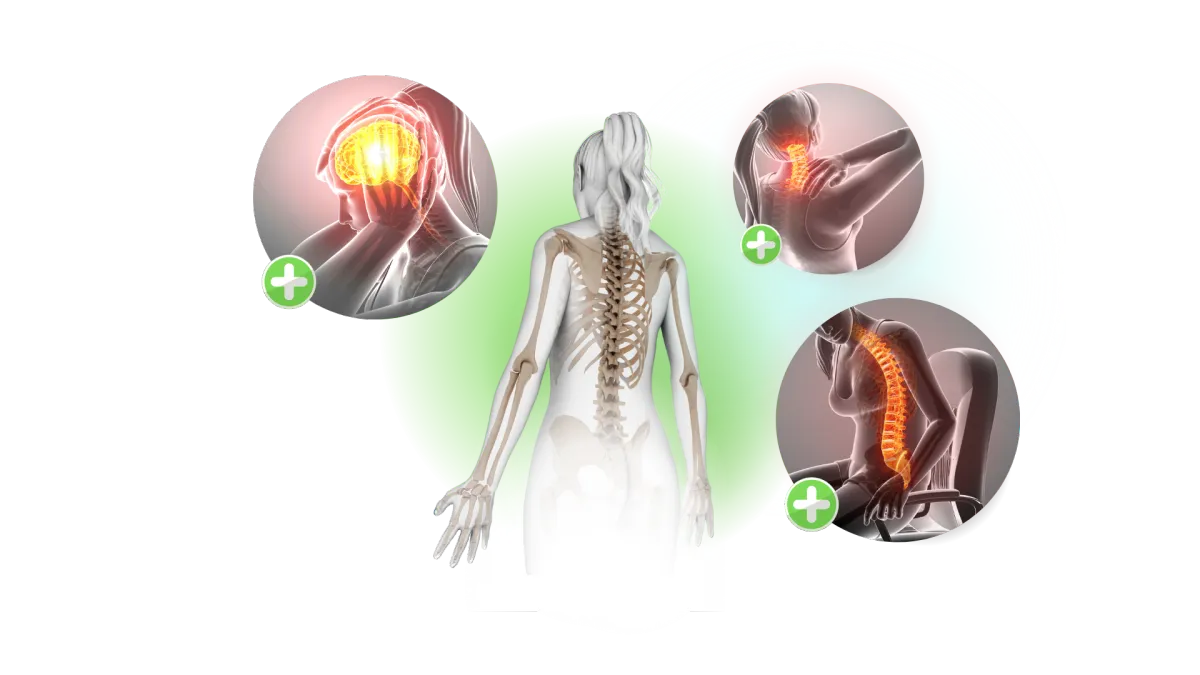
Combining natural hands-on treatment with our week-on-week progressive system to help symptoms like back pain, neck pain and headaches.
Start NOW. Just 1-click away
We help people feel safer and more confident moving again.
Save On Your Treatment Costs
Each visit is £50.
Save if you choose to pre pay.

Start NOW. Just 1-click away
Our clients tell us they can do more of what they enjoy once their pain is under control. Everyone’s different, and results vary.
Peter Bennett, Chiropractor – Registered with the General Chiropractic Council (Reg. No: 01124)
I'm Peter Bennett!
Hello, I’m Peter Bennett, a chiropractor based in Penrith, Cumbria.
I’ve spent more than 25 years helping people reduce pain, move better, and get more life back into their years.
My approach is gentle — no cracking, no heavy-handed adjustments — just safe, effective techniques that work with your body instead of against it.
Over the years, I’ve learned that the human body is incredibly good at trying to heal itself. My job is simply to understand what it’s trying to do and give it the right support.
People come to see me for all sorts of reasons — stiff backs after gardening, neck pain from long hours at a desk, or just feeling less steady than they used to.
Whatever brings you in, my goal is the same: to help you move more easily and feel more confident doing the things you love.
I believe great healthcare starts with kindness, clear explanations, and respect for each person’s pace. You’ll never be rushed or pressured here — just guided gently toward better movement and lasting results.
When I’m not in clinic, I’m usually outdoors walking in the fells, writing about longevity science, or creating online programs that help people stay active and independent later in life.

Why I Do This
When I first started in chiropractic, I thought the job was all about fixing spines.
But over the years, I’ve realised it’s really about helping people trust their bodies again.
I’ve seen how back pain can slowly chip away at someone’s confidence — the way they move, work, even how they laugh. One day it’s just a niggle, and before long it’s changed how they live. Helping someone turn that around, gently and safely, is still the best part of my week.
I’ve always believed the body isn’t broken — it’s doing its best to protect you. My role is to understand what it’s trying to do and guide it back toward balance. That might mean easing tension in the spine, retraining movement, or simply helping you breathe a little easier.
What keeps me going is seeing people realise they can do more than they thought — walking the fells again, picking up grandchildren, or just waking up without that constant stiffness.
It’s those moments that remind me why I chose this path all those years ago.
My aim has never been just to treat backs — it’s to help people move freely, live fully, and enjoy their years with confidence.
FAQS
What conditions can we help with?
Spinal health care can help a wide range of conditions, including back and neck pain, headaches, sciatica, joint pain, and even issues related to posture. It's not just about addressing the symptoms; it's about improving your overall health and well-being by improving the health of your spine and nervous system. If you have specific concerns or questions about your condition, please don't hesitate to ask for a consultation to discuss how spinal health care can benefit you.
Is spinal health care safe, and are the adjustments painful?
Spinal health care is generally considered safe when performed by trained professionals. The adjustments are typically not painful; in fact, many clients report feeling relief and improved mobility after an adjustment. Our therapists are highly skilled and will use gentle techniques tailored to your individual needs. Your comfort and safety are our top priorities, and we will explain every step of the process to ensure you feel at ease during your sessions.
How many visits will I need to see results?
The number of sessions you'll need depends on various factors, including the nature and severity of your condition, your overall health, and your treatment goals. Some clients experience relief after just a few sessions, while others may require more ongoing care. During your initial Spinal Health Assessment, we will assess your specific situation and provide a personalised treatment plan. Our goal is to provide efficient and effective care, so you can return to a pain-free and healthy lifestyle as soon as possible.
When should I see my doctor instead of a chiropractor?
Most back or neck problems are mechanical and respond well to gentle chiropractic care.
See your GP or call NHS 111 if you have fever, weight loss, cancer history, night sweats, recent trauma, numbness in the saddle area, bladder or bowel changes, severe unrelenting pain, or sudden weakness.
Call 999 immediately if you notice stroke signs —
Face drooping, Arm weakness, Speech changes, Time to call 999 (FAST) — or sudden dizziness, vision loss, or a severe new headache.
If you’re unsure, call us — we’ll help you decide the safest next step.
Latest Articles on Spinal Health

Gentle Adjustment for Back Pain: A How-To Guide
Table of Contents
- Understanding Gentle Adjustment for Back Pain
- What to Expect at a Chiropractic Appointment
- Low-Force Chiropractic Techniques Explained
- Gentle Exercises for Back Pain You Can Do at Home
- Chiropractic Care After a Back Injury
- Safety Precautions and When to Seek Professional Help
- Preparing for Your First Appointment
- Frequently Asked Questions
Last Updated: October 20, 2026
Understanding Gentle Adjustment for Back Pain
A [gentle adjustment for back pain](/blog/category/back-pain) is a low-force chiropractic technique that realigns your spine without sudden, forceful movements. Instead of the sharp cracking sounds you might expect, these methods use slow pressure, controlled stretches, and targeted soft tissue work to ease pain and restore movement.
If you've had a bad experience with forceful chiropractic care before, this approach is different. At Your Spinal Health in Penrith, we focus on understanding what's actually causing your discomfort rather than applying a one-size-fits-all technique. Many people come to us worried they'll leave in more pain than they arrived. That's not how gentle adjustment works.
The goal is simple: reduce tension, improve alignment, and help your body heal naturally. Whether you sit at a desk all day, do physical work, or struggle with stiffness from age, gentle adjustment can address the root cause of your pain without the fear of being hurt further.
What to Expect at a Chiropractic Appointment
Your first visit to a chiropractor in Penrith should feel like a conversation, not a procedure. A qualified practitioner will ask detailed questions about your pain: where it is, what makes it worse, how long you've had it, and what you've already tried.
This assessment matters more than the adjustment itself. Your chiropractor needs to understand your specific situation. Are you stiff from sitting? Did an injury trigger this? Is the pain constant or does it come and go? These answers guide which techniques will actually help you.
After the assessment, your chiropractor will explain what they've found and what they plan to do. This is where trust builds. You should understand why they're recommending certain movements or adjustments, not just be told to lie on a table. At Your Spinal Health, we believe you deserve clear, plain-English explanations of your spinal health, not jargon that leaves you confused.
The adjustment itself typically lasts 15-30 minutes. You might hear gentle clicking sounds or feel slow stretching. Some people feel relief immediately. Others notice improvement over the next few days as inflammation settles and muscles relax. Both are normal.
Low-Force Chiropractic Techniques Explained
Low-force chiropractic techniques are designed to achieve results without aggressive force. They work by gradually releasing tension, improving joint mobility, and helping your nervous system relax. Here are the main methods you'll encounter.
Mobilisation methods
Mobilisation uses gentle, controlled movements to restore range of motion in your joints. Your chiropractor moves your spine slowly through its natural range, gradually encouraging it to move further without forcing it. This is different from a sudden adjustment because there's no quick thrust. The movement is gradual and you stay in control.
Common mobilisation techniques include:
- Flexion-distraction: A special table gently stretches your spine while your chiropractor applies mild pressure. This works well for lower back pain and disc-related issues.
- Soft mobilisation: Your chiropractor uses their hands to slowly move your spine, vertebra by vertebra, in safe directions.
- Articulation: Gentle, rhythmic movements that encourage your joints to move more freely without forcing them beyond their natural limit.
These methods suit people who are nervous about chiropractic care or who have had previous injuries. They're also effective for older adults in Cumbria who need to protect fragile joints while still improving movement.
Soft tissue therapy
Soft tissue therapy addresses the muscles, tendons, and ligaments around your spine. Tight muscles often pull your spine out of alignment, so releasing them can make a huge difference.
Your chiropractor might use:
- Massage techniques: Slow, deliberate pressure on tight muscles to release tension and improve blood flow.
- Trigger point therapy: Applying sustained pressure to specific tight spots that refer pain elsewhere in your body.
- Myofascial release: Gentle, sustained pressure on the connective tissue surrounding your muscles to restore normal movement patterns.
Many people find soft tissue work more comfortable than spinal adjustments. It feels therapeutic rather than clinical. For people with chronic tension from desk work or physical labour, soft tissue therapy often provides the longest-lasting relief because it addresses the muscle patterns keeping your spine stuck.
Gentle Exercises for Back Pain You Can Do at Home
Exercises between appointments are just as important as the adjustments themselves. Your chiropractor can release tension, but if your daily habits and movement patterns don't change, the pain returns. Gentle exercises help you maintain improvement and build strength to prevent future problems.

Getting started safely
Before you start any exercise, understand your limits. Gentle doesn't mean you can push through pain. If an exercise hurts, stop. Soreness the next day is normal. Sharp pain during the exercise is a warning sign.
Start with just 5-10 minutes of movement. Consistency matters more than intensity. Doing gentle exercises three times a week is better than pushing hard once. Your body adapts to regular, mild stress. It doesn't adapt to occasional intense effort.
Warm up first (the NHS). A few minutes of walking or gentle movement prepares your muscles and joints. Cold muscles are stiff and more likely to be injured.
Three foundational movements
These three movements address the most common back pain patterns. Do each one slowly, holding for 15-30 seconds, and repeat 2-3 times.
Pelvic tilts: Lie on your back with knees bent and feet flat. Gently tilt your pelvis so your lower back presses into the floor. Release. This teaches your core muscles to engage properly and relieves lower back tension.
Cat-cow stretches: On your hands and knees, arch your back gently (cow position), then round your spine (cat position). Move slowly between the two. This mobilises your entire spine and feels immediately soothing.
Book Your Spinal Health Assessment →
Gentle knee-to-chest: Lying on your back, slowly bring one knee towards your chest. Hold it there with a gentle pull. This stretches your lower back and glutes without forcing anything.
These exercises work best after a warm shower or light activity. Never do them first thing in the morning when your spine is stiffest. Your chiropractor can show you variations if these don't suit your situation.
Chiropractic Care After a Back Injury
If you've recently injured your back, gentle adjustment is often the safest path to recovery. Immediately after an injury, your body is inflamed and protective. Forceful treatment can worsen inflammation and delay healing.
A gentle approach gives your body time to settle. Your chiropractor will assess how recent the injury is and whether inflammation is still active. In the first few days, they might recommend rest and ice rather than treatment. Once inflammation settles, gentle mobilisation and soft tissue work help restore normal movement without re-injuring the area.
Many people worry that gentle care means slow recovery. In reality, respecting your body's healing timeline often leads to faster, more complete recovery. When you avoid re-injury and allow inflammation to settle naturally, you return to normal activities sooner than if you push too hard too fast.
After injury, you'll likely need more frequent appointments initially. As you improve, appointments space out. Your chiropractor will give you a realistic timeline based on the type and severity of your injury. Be honest if pain returns or if you're not improving as expected. That information guides the next steps.
Safety Precautions and When to Seek Professional Help
Gentle adjustment is safe for most people, but certain conditions need medical attention first. If you have any of these, see your GP before visiting a chiropractor:
- Sudden severe pain that came on without obvious cause
- Numbness or tingling in your legs or feet
- Loss of bladder or bowel control
- Fever alongside back pain
- Pain after a significant fall or accident
- Pain that wakes you at night consistently
- Unexplained weight loss alongside back pain
These signs suggest something beyond simple muscle tension. Your GP can rule out serious conditions before you begin chiropractic care.
Even with gentle techniques, some people experience temporary soreness after treatment. This usually settles within 24-48 hours. If soreness lasts longer or gets worse, contact your chiropractor. They need to know their approach isn't working for you.
Never let a chiropractor pressure you into a long treatment plan you don't feel comfortable with. You're always in control of your care.
Preparing for Your First Appointment
Walking into a chiropractic clinic can feel daunting if you've had bad experiences before. A little preparation helps.
Wear comfortable clothes you can move in. You'll likely need to change into a gown for examination, but comfortable street clothes make the whole experience less clinical.
Write down your pain history before you arrive. When did it start? What makes it better or worse? What have you already tried? This information helps your chiropractor understand your situation quickly and design a treatment plan that actually fits your needs.
Bring any relevant medical records or imaging (X-rays, MRI scans) if you have them. Your chiropractor can review these and avoid unnecessary duplicate scans.
Ask questions during your appointment. A good practitioner welcomes them. You should leave understanding what your chiropractor found, why they're recommending specific treatment, and what you can do at home to support your recovery. If something doesn't make sense, say so. Maintaining this dialogue extends to your daily environment, where adjusting lumbar support can significantly reduce the strain that often necessitates these clinical visits.
Most importantly, be honest about your concerns. If you're worried about pain or previous bad experiences, tell your chiropractor. They can adjust their approach and take extra time explaining what they're doing. Trust builds when you communicate openly.
Back pain doesn't have to be permanent or require invasive treatment. A gentle adjustment for back pain, combined with home exercises and professional guidance, helps many people regain movement and confidence. At Your Spinal Health, we've helped over 7,000 people understand their spinal health and recover from pain using a calm, personalised approach. Book your spinal health assessment today and discover how gentle, targeted care can restore your vitality and get you moving freely again.
Frequently Asked Questions
What is a gentle chiropractic adjustment for back pain?
A gentle adjustment for back pain uses low-force techniques to gradually restore movement and alignment to the spine without forceful cracking or high-velocity thrusts. These methods focus on easing tension, improving mobility, and addressing the root cause of discomfort. Gentle adjustments suit people who are nervous about traditional chiropractic care, recovering from injury, or simply prefer a calmer approach to treatment.
Can I have a gentle adjustment if I have had a previous back injury?
Yes. Chiropractic care after a back injury can be tailored to your specific needs and healing stage. A qualified chiropractor will assess your injury history, current pain levels, and movement restrictions before recommending treatment. Low-force techniques are often ideal for post-injury recovery because they avoid re-aggravating the area whilst still promoting healing and restoring function.
What gentle exercises for back pain can I safely do at home?
Safe at-home exercises include gentle spinal mobility work, supported stretching, and controlled movements that don't cause sharp pain. Examples include cat-cow stretches, pelvic tilts, and supported forward bends. Always start slowly, stop if pain worsens, and consult a professional before beginning any new routine, especially if you have existing injury or chronic pain.
How should I prepare for a chiropractic appointment for back pain?
Wear comfortable, loose clothing that allows easy movement. Write down your pain history, including when it started, what makes it worse or better, and any previous treatments. Eat a light meal beforehand, bring any medical records or imaging results, and arrive a few minutes early. Being prepared helps your chiropractor understand your situation fully and plan the most effective care.