Gentle Chiropractic Care in Penrith | Helping You Move Better and Feel More Confident
We help people with persistent back or neck pain move more freely, regain confidence, and get back to doing the things they love — gently, safely, and without forceful “cracking.”
About Your Penrith Chiropractor
At Your Spinal Health in Penrith, we specialise in gentle, low-force chiropractic care.
Our aim is simple: reduce pain, improve movement, and support your body’s natural healing.
Most people follow a short, structured plan over around 12 weeks and notice steady progress.
Everyone’s different, and results always vary — that’s why your care starts with a personalised Spinal Health Assessment.
Peter Bennett – Chiropractor
Registered with the General Chiropractic Council (Reg No: 01124)
Member of the United Chiropractic Association
Your Spinal Health
Registered chiropractic care in Penrith, Cumbria
5 Poets Walk, Penrith CA11 7HJ · 01768 899 036
Your Trusted Spinal Health Experts
At Your Spinal Health, we are passionate about helping you achieve your best health and well-being. We have been serving our community for over 20 years with a commitment to providing the highest quality care.
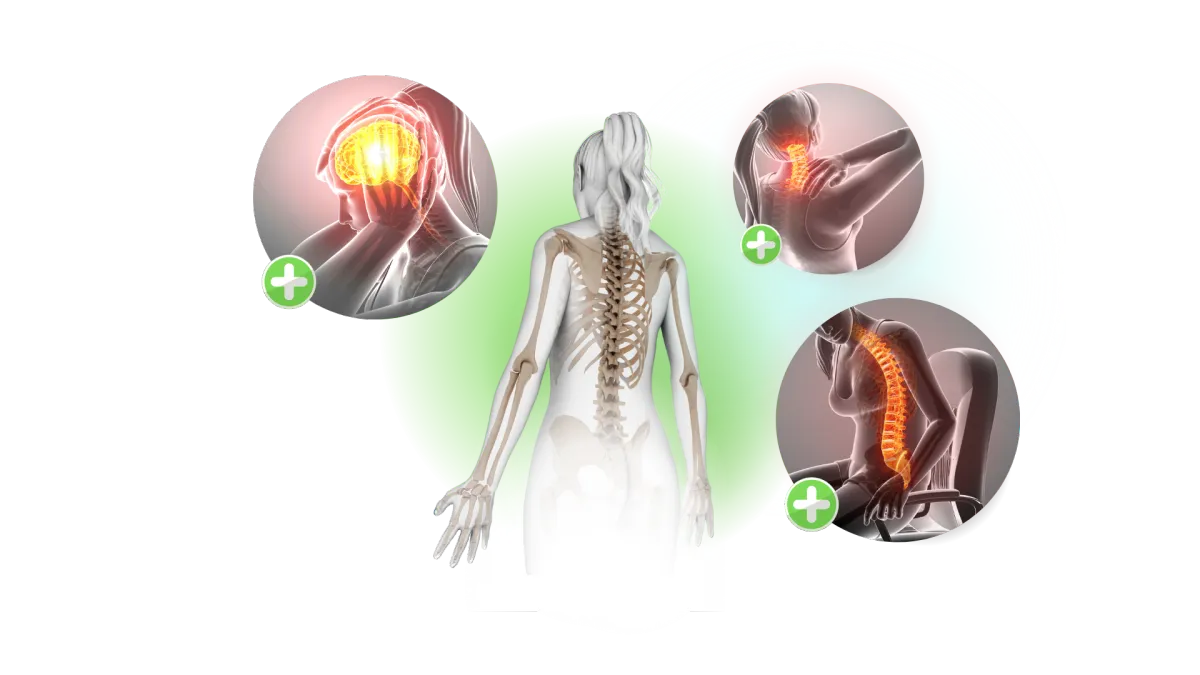
Combining natural hands-on treatment with our week-on-week progressive system to help symptoms like back pain, neck pain and headaches.
Start NOW. Just 1-click away
We help people feel safer and more confident moving again.
Save On Your Treatment Costs
Each visit is £50.
Save if you choose to pre pay.

Start NOW. Just 1-click away
Our clients tell us they can do more of what they enjoy once their pain is under control. Everyone’s different, and results vary.
Peter Bennett, Chiropractor – Registered with the General Chiropractic Council (Reg. No: 01124)
I'm Peter Bennett!
Hello, I’m Peter Bennett, a chiropractor based in Penrith, Cumbria.
I’ve spent more than 25 years helping people reduce pain, move better, and get more life back into their years.
My approach is gentle — no cracking, no heavy-handed adjustments — just safe, effective techniques that work with your body instead of against it.
Over the years, I’ve learned that the human body is incredibly good at trying to heal itself. My job is simply to understand what it’s trying to do and give it the right support.
People come to see me for all sorts of reasons — stiff backs after gardening, neck pain from long hours at a desk, or just feeling less steady than they used to.
Whatever brings you in, my goal is the same: to help you move more easily and feel more confident doing the things you love.
I believe great healthcare starts with kindness, clear explanations, and respect for each person’s pace. You’ll never be rushed or pressured here — just guided gently toward better movement and lasting results.
When I’m not in clinic, I’m usually outdoors walking in the fells, writing about longevity science, or creating online programs that help people stay active and independent later in life.

Why I Do This
When I first started in chiropractic, I thought the job was all about fixing spines.
But over the years, I’ve realised it’s really about helping people trust their bodies again.
I’ve seen how back pain can slowly chip away at someone’s confidence — the way they move, work, even how they laugh. One day it’s just a niggle, and before long it’s changed how they live. Helping someone turn that around, gently and safely, is still the best part of my week.
I’ve always believed the body isn’t broken — it’s doing its best to protect you. My role is to understand what it’s trying to do and guide it back toward balance. That might mean easing tension in the spine, retraining movement, or simply helping you breathe a little easier.
What keeps me going is seeing people realise they can do more than they thought — walking the fells again, picking up grandchildren, or just waking up without that constant stiffness.
It’s those moments that remind me why I chose this path all those years ago.
My aim has never been just to treat backs — it’s to help people move freely, live fully, and enjoy their years with confidence.
FAQS
What conditions can we help with?
Spinal health care can help a wide range of conditions, including back and neck pain, headaches, sciatica, joint pain, and even issues related to posture. It's not just about addressing the symptoms; it's about improving your overall health and well-being by improving the health of your spine and nervous system. If you have specific concerns or questions about your condition, please don't hesitate to ask for a consultation to discuss how spinal health care can benefit you.
Is spinal health care safe, and are the adjustments painful?
Spinal health care is generally considered safe when performed by trained professionals. The adjustments are typically not painful; in fact, many clients report feeling relief and improved mobility after an adjustment. Our therapists are highly skilled and will use gentle techniques tailored to your individual needs. Your comfort and safety are our top priorities, and we will explain every step of the process to ensure you feel at ease during your sessions.
How many visits will I need to see results?
The number of sessions you'll need depends on various factors, including the nature and severity of your condition, your overall health, and your treatment goals. Some clients experience relief after just a few sessions, while others may require more ongoing care. During your initial Spinal Health Assessment, we will assess your specific situation and provide a personalised treatment plan. Our goal is to provide efficient and effective care, so you can return to a pain-free and healthy lifestyle as soon as possible.
When should I see my doctor instead of a chiropractor?
Most back or neck problems are mechanical and respond well to gentle chiropractic care.
See your GP or call NHS 111 if you have fever, weight loss, cancer history, night sweats, recent trauma, numbness in the saddle area, bladder or bowel changes, severe unrelenting pain, or sudden weakness.
Call 999 immediately if you notice stroke signs —
Face drooping, Arm weakness, Speech changes, Time to call 999 (FAST) — or sudden dizziness, vision loss, or a severe new headache.
If you’re unsure, call us — we’ll help you decide the safest next step.
Latest Articles on Spinal Health

How can you sleep better with chronic lower back pain?
Last Updated: 25 October 2026
Quick Summary
To manage chronic lower back pain, sleep on your back with a pillow under your knees to keep your spine neutral, or on your side with a pillow between your knees to keep your hips level. Proper support and alignment reduce strain and improve sleep quality significantly.
- Back sleeping with knee support keeps your spine neutral and distributes weight evenly across your body.
- Side sleeping requires a firm pillow between your knees to prevent your spine twisting and your top leg dropping.
- Stomach sleeping should be avoided as it forces your lower back into extension and compresses discs and nerves.
- A medium-firm mattress provides the right balance of support without excessive hardness for most people with lower back pain.
- Gentle stretches like knee-to-chest and cat-cow stretches 20-30 minutes before bed reduce muscle tension and improve flexibility.
Table of Contents
- Why lower back pain at night gets worse and disrupts sleep
- Finding the best sleeping position for lower back pain
- Choosing the right pillow and mattress support
- Gentle stretches for lower back pain before bed
- Creating a sleep environment that reduces back pain
- Pain management techniques to help you fall asleep
- When to seek professional support for sleep and back pain
- Frequently Asked Questions
Why lower back pain at night gets worse and disrupts sleep
Chronic lower back pain often feels worse at night. You're lying still, and suddenly the discomfort becomes impossible to ignore. This happens because your body changes position when you sleep.
At Your Spinal Health, we often encounter individuals whose pain is manageable during the day but becomes unbearable once they get into bed.
When you lie down without support, your spine loses its natural alignment. The lower back sags. Muscles tense up to compensate. Nerves get compressed. You shift positions repeatedly, never finding comfort.
Temperature also plays a role. A cold bedroom tightens muscles. Inflammation increases. Stiffness sets in. Many people find their pain peaks in the early morning hours, just before they wake.
The good news is straightforward: the right sleeping position and proper support can change this entirely. Your body needs alignment, not just comfort. We'll show you exactly how to achieve both.
Finding the best sleeping position for lower back pain
The best sleeping position for lower back pain is on your back with support under your knees. This position keeps your spine neutral. Your lower back maintains its natural curve. Pressure distributes evenly across your body.
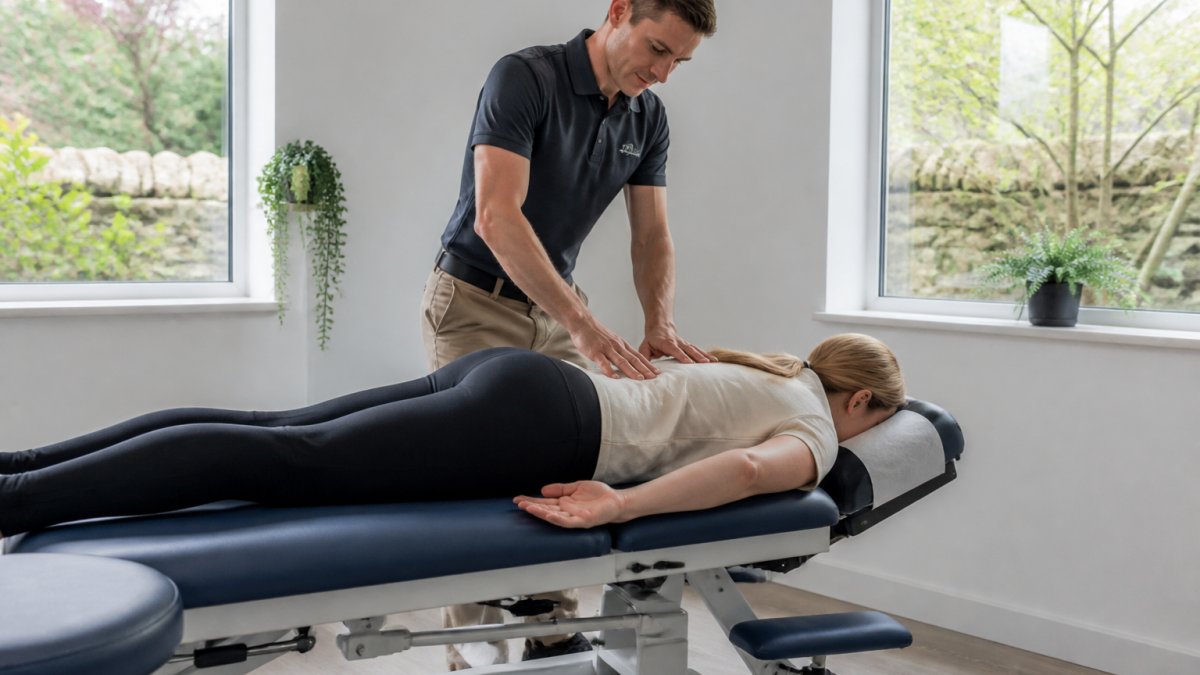
Not all back sleeping is equal. Simply lying flat makes things worse. You need targeted support. A pillow under your knees lifts your legs slightly. This reduces tension in your lower back. Your hip flexors relax. Your spine stays aligned.
Sleeping on your back with proper support
Back sleeping works because gravity pulls your spine into alignment naturally. Your weight distributes evenly. No twisting. No compression on one side.
Here's what proper back sleeping requires:
- A pillow that supports your head and neck at the right height
- A pillow or small roll under your knees
- A mattress firm enough to support your lower back
- Your arms resting at your sides or on your stomach
The knee pillow is crucial. It should be firm enough to hold your legs at a slight angle. Your knees bend just enough to flatten your lower back against the mattress. This single change reduces strain dramatically.
Many people worry back sleeping feels unnatural. It does at first. Your body expects the position you've used for years. Give it two weeks. Many people find back sleeping becomes comfortable once their body adapts.
Side sleeping and the role of a pillow between knees for back pain
Side sleeping can work, but only with proper support. A pillow between your knees is essential. Without it, your top leg drops. Your spine twists. Your lower back suffers.
When you place a pillow between your knees, your hips stay level. Your spine remains straight. This prevents the rotation that causes pain. The pillow should be firm enough to support your leg weight without compressing.
Side sleeping works best if you alternate sides. Sleep on your right side for a few nights, then switch to your left. This prevents muscle imbalances. Your body adapts to both positions equally.
One common mistake: sleeping with your knees pulled too high toward your chest. This creates excessive hip flexion. Your lower back curves too much. Keep your knees bent at roughly 90 degrees. Your hips and shoulders should form a straight line from top to bottom.
Why stomach sleeping increases lower back strain
Stomach sleeping is the position to avoid. Here's why it damages your lower back.
When you sleep on your stomach, your spine twists. Your head turns to one side for breathing. Your lower back arches. Your pelvis rotates. Everything compresses.
This position forces your lower back into extension. The small joints in your spine jam together. Discs get squeezed. Nerves compress. Muscles tighten to protect the area.
Stomach sleeping also rotates your spine unnaturally. One side of your lower back bears more load. Inflammation builds. This asymmetrical loading is why stomach sleepers often wake with one-sided pain.
If you've slept on your stomach for years, switching positions takes time. Start by trying back sleeping for just part of the night. Gradually increase the duration. Your body will adapt.
Each sleeping position affects your lower back differently, and the right support makes all the difference.
| Position | Support needed | Key benefit | Avoid |
|---|---|---|---|
| Back sleeping | Pillow under knees | Spine stays neutral, weight distributes evenly | Sleeping completely flat |
| Side sleeping | Pillow between knees | Hips stay level, spine remains straight | Knees pulled too high toward chest |
| Stomach sleeping | None recommended | Not suitable for lower back pain | Causes spine twist and disc compression |
Choosing the right pillow and mattress support
Your pillow and mattress are not luxuries. They're tools for spinal alignment. The wrong ones guarantee poor sleep and increased pain.
A pillow should support your head at the same height as your shoulders. Too high, and your neck bends forward. Too low, and it bends backward.
For your knees, use a pillow that's firmer than your head pillow. It needs to hold your leg weight without collapsing. Some people use a rolled towel.
Your mattress matters more than most people realise. A mattress that's too soft sags under your lower back. A mattress that's too firm creates pressure points.
Medium-firm mattresses suit most people with lower back pain. They provide support without excessive hardness.
Mattress toppers can help temporarily. A 5-7 cm memory foam topper adds cushioning without replacing the entire mattress.
Gentle stretches for lower back pain before bed
Stretching before bed relaxes tight muscles and prepares your body for sleep and chronic lower back pain relief. These stretches take 10 minutes. They reduce tension and improve flexibility.
The knee-to-chest stretch is the most effective. Lie on your back. Pull one knee toward your chest. Hold for 30 seconds.
Book Your Spinal Health Assessment →
The cat-cow stretch works well too. Start on your hands and knees. Arch your back gently, dropping your belly. Hold for five seconds.
The figure-four stretch targets your glutes and lower back. Lie on your back. Cross one ankle over the opposite knee. Pull the bottom leg toward your chest. You'll feel a deep stretch in your glute and outer hip.
Never bounce during stretches. Move slowly and hold each position. Stretching should feel like a gentle pull, never pain. If anything hurts, stop immediately.
Timing matters. Stretch 20-30 minutes before bed, not immediately before lying down. This gives your muscles time to relax. Your body enters sleep mode naturally.
Consistency beats intensity. Five minutes of daily stretching helps more than 20 minutes once a week. Your muscles adapt to regular movement. Flexibility improves gradually.
Creating a sleep environment that reduces back pain
Your bedroom environment affects your pain more than most people realise.
Keep your bedroom cool. A temperature between 15-18°C is ideal for sleep. Cool air reduces inflammation. Warm rooms increase it.
Darkness matters too. Use blackout curtains or an eye mask. Light disrupts your sleep cycle. Poor sleep increases pain perception.
Reduce noise. Use earplugs if needed. A white noise machine can mask disruptive sounds. Your nervous system needs quiet to relax.
Keep your bedroom for sleep only. Don't work, eat, or watch screens in bed. Your brain needs to associate the bedroom with rest.
Invest in quality bedding. Cotton sheets breathe well. They regulate temperature. Avoid synthetic materials that trap heat and moisture.
Remove distractions. Put your phone in another room. The blue light from screens suppresses melatonin production (pubmed.ncbi.nlm.nih.gov). Your body can't produce the hormones needed for deep sleep.
Pain management techniques to help you fall asleep
Pain management before bed improves sleep quality significantly. Several techniques work well when combined with proper positioning and support.
Heat therapy relaxes muscles and reduces stiffness. A heating pad on your lower back for 15 minutes before bed can ease tension.
Cold therapy reduces inflammation. If your pain involves swelling, apply ice for 10 minutes before bed. Never apply ice directly to skin.
Progressive muscle relaxation is powerful. Tense each muscle group for five seconds, then release. Start with your toes.
Breathing exercises calm your nervous system.
Meditation or guided imagery helps too. Spend five minutes visualising a calm place. Focus on the details: sounds, textures, smells.
Avoid pain medication as a sleep aid unless prescribed. Medication can mask underlying problems. It doesn't fix the root cause.
When to seek professional support for sleep and back pain
You should see a professional if your pain prevents sleep regularly or if it's worsening. Sleep deprivation makes pain worse.
A chiropractor can assess your spine and identify what's causing your pain.
Warning signs that warrant professional help include:
- Pain that wakes you multiple times per night
- Pain that prevents you from falling asleep entirely
- Pain that's worsening despite trying self-care strategies
- Pain combined with numbness, tingling, or weakness
- Pain that follows an injury or accident
At Your Spinal Health in Penrith, we specialise in gentle approaches. Many people hesitate to seek help because they've had rough experiences with other practitioners.
A consultation helps you understand whether your pain needs professional care or whether home strategies will work. Either way, you gain clarity.
Sleeping with chronic lower back pain doesn't have to mean endless nights of tossing and turning.
If your pain persists despite these changes, or if you want to understand what's causing it, book your spinal health assessment with Your Spinal Health.
Frequently Asked Questions
What is the best sleeping position for chronic lower back pain?
Sleeping on your back with a pillow under your knees is often recommended for chronic lower back pain, as it maintains natural spinal alignment. Side sleeping with a pillow between your knees is also effective, keeping your spine neutral. Avoid stomach sleeping, which twists your spine and increases strain. The right position depends on your individual comfort and the specific cause of your pain; a consultation can help identify what works best for you.
How does a pillow between knees for back pain help when sleeping on your side?
A pillow between knees for back pain maintains proper spinal alignment when you sleep on your side by preventing your top leg from dropping and rotating your pelvis. This keeps your spine in a neutral position, reducing uneven pressure on your lower back and supporting the natural curve of your spine. Use a pillow that fills the gap between your knees without being too thick, ensuring comfort throughout the night.
Why is my lower back pain worse at night?
Lower back pain at night often worsens because lying down removes the support your core muscles provide during the day. Inflammation can also increase when you're inactive, and poor sleeping positions strain your spine further. Muscle tension built up from sitting or physical activity may also become more noticeable when you're still. Addressing your sleep position, mattress support, and pre-bed stretches can help ease this nighttime discomfort.
What gentle stretches for lower back pain before bed can I do safely?
Gentle stretches for lower back pain before bed include knee-to-chest stretches (lying on your back, gently pulling one knee toward your chest), cat-cow stretches (on hands and knees, alternating between arching and rounding your spine), and figure-four stretches (lying on your back, crossing one ankle over the opposite knee). Hold each stretch for 15-30 seconds without bouncing. Stop if you feel sharp pain, and consider consulting a professional to ensure you're performing stretches correctly for your specific condition.