Gentle Chiropractic Care in Penrith | Helping You Move Better and Feel More Confident
We help people with persistent back or neck pain move more freely, regain confidence, and get back to doing the things they love — gently, safely, and without forceful “cracking.”
About Your Penrith Chiropractor
At Your Spinal Health in Penrith, we specialise in gentle, low-force chiropractic care.
Our aim is simple: reduce pain, improve movement, and support your body’s natural healing.
Most people follow a short, structured plan over around 12 weeks and notice steady progress.
Everyone’s different, and results always vary — that’s why your care starts with a personalised Spinal Health Assessment.
Peter Bennett – Chiropractor
Registered with the General Chiropractic Council (Reg No: 01124)
Member of the United Chiropractic Association
Your Spinal Health
Registered chiropractic care in Penrith, Cumbria
5 Poets Walk, Penrith CA11 7HJ · 01768 899 036
Your Trusted Spinal Health Experts
At Your Spinal Health, we are passionate about helping you achieve your best health and well-being. We have been serving our community for over 20 years with a commitment to providing the highest quality care.
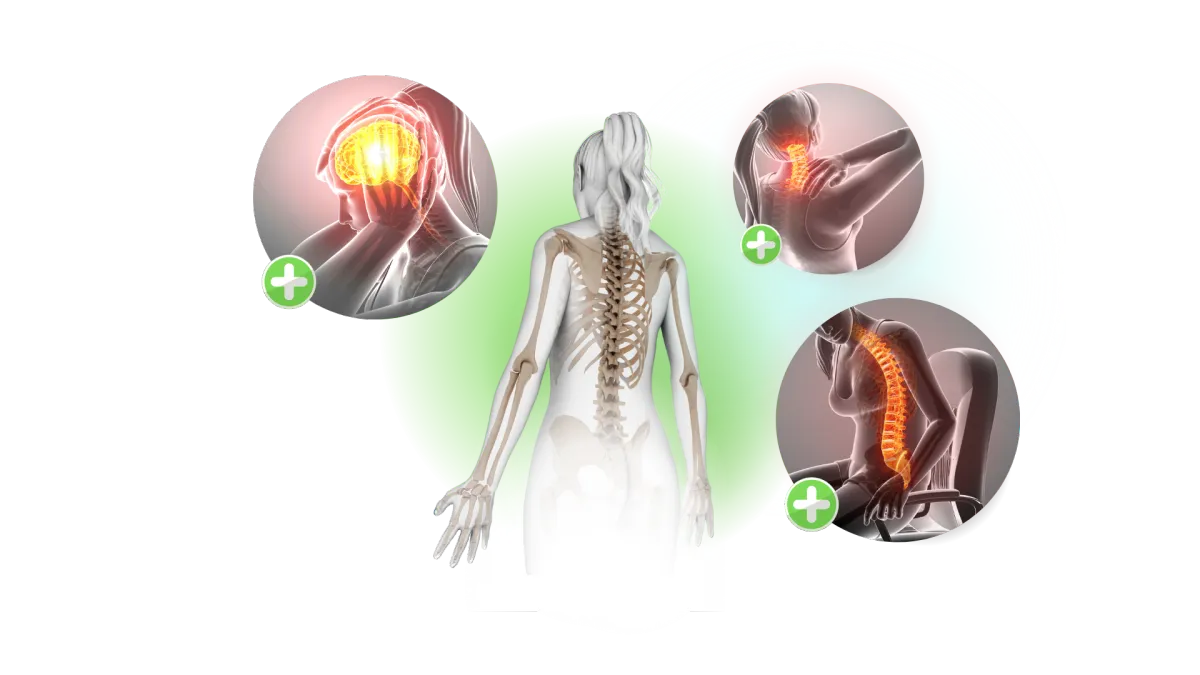
Combining natural hands-on treatment with our week-on-week progressive system to help symptoms like back pain, neck pain and headaches.
Start NOW. Just 1-click away
We help people feel safer and more confident moving again.
Save On Your Treatment Costs
Each visit is £50.
Save if you choose to pre pay.

Start NOW. Just 1-click away
Our clients tell us they can do more of what they enjoy once their pain is under control. Everyone’s different, and results vary.
Peter Bennett, Chiropractor – Registered with the General Chiropractic Council (Reg. No: 01124)
I'm Peter Bennett!
Hello, I’m Peter Bennett, a chiropractor based in Penrith, Cumbria.
I’ve spent more than 25 years helping people reduce pain, move better, and get more life back into their years.
My approach is gentle — no cracking, no heavy-handed adjustments — just safe, effective techniques that work with your body instead of against it.
Over the years, I’ve learned that the human body is incredibly good at trying to heal itself. My job is simply to understand what it’s trying to do and give it the right support.
People come to see me for all sorts of reasons — stiff backs after gardening, neck pain from long hours at a desk, or just feeling less steady than they used to.
Whatever brings you in, my goal is the same: to help you move more easily and feel more confident doing the things you love.
I believe great healthcare starts with kindness, clear explanations, and respect for each person’s pace. You’ll never be rushed or pressured here — just guided gently toward better movement and lasting results.
When I’m not in clinic, I’m usually outdoors walking in the fells, writing about longevity science, or creating online programs that help people stay active and independent later in life.

Why I Do This
When I first started in chiropractic, I thought the job was all about fixing spines.
But over the years, I’ve realised it’s really about helping people trust their bodies again.
I’ve seen how back pain can slowly chip away at someone’s confidence — the way they move, work, even how they laugh. One day it’s just a niggle, and before long it’s changed how they live. Helping someone turn that around, gently and safely, is still the best part of my week.
I’ve always believed the body isn’t broken — it’s doing its best to protect you. My role is to understand what it’s trying to do and guide it back toward balance. That might mean easing tension in the spine, retraining movement, or simply helping you breathe a little easier.
What keeps me going is seeing people realise they can do more than they thought — walking the fells again, picking up grandchildren, or just waking up without that constant stiffness.
It’s those moments that remind me why I chose this path all those years ago.
My aim has never been just to treat backs — it’s to help people move freely, live fully, and enjoy their years with confidence.
FAQS
What conditions can we help with?
Spinal health care can help a wide range of conditions, including back and neck pain, headaches, sciatica, joint pain, and even issues related to posture. It's not just about addressing the symptoms; it's about improving your overall health and well-being by improving the health of your spine and nervous system. If you have specific concerns or questions about your condition, please don't hesitate to ask for a consultation to discuss how spinal health care can benefit you.
Is spinal health care safe, and are the adjustments painful?
Spinal health care is generally considered safe when performed by trained professionals. The adjustments are typically not painful; in fact, many clients report feeling relief and improved mobility after an adjustment. Our therapists are highly skilled and will use gentle techniques tailored to your individual needs. Your comfort and safety are our top priorities, and we will explain every step of the process to ensure you feel at ease during your sessions.
How many visits will I need to see results?
The number of sessions you'll need depends on various factors, including the nature and severity of your condition, your overall health, and your treatment goals. Some clients experience relief after just a few sessions, while others may require more ongoing care. During your initial Spinal Health Assessment, we will assess your specific situation and provide a personalised treatment plan. Our goal is to provide efficient and effective care, so you can return to a pain-free and healthy lifestyle as soon as possible.
When should I see my doctor instead of a chiropractor?
Most back or neck problems are mechanical and respond well to gentle chiropractic care.
See your GP or call NHS 111 if you have fever, weight loss, cancer history, night sweats, recent trauma, numbness in the saddle area, bladder or bowel changes, severe unrelenting pain, or sudden weakness.
Call 999 immediately if you notice stroke signs —
Face drooping, Arm weakness, Speech changes, Time to call 999 (FAST) — or sudden dizziness, vision loss, or a severe new headache.
If you’re unsure, call us — we’ll help you decide the safest next step.
Latest Articles on Spinal Health

Morning Stiffness in Hands: Common Causes Explained
Table of Contents
- What Morning Stiffness in the Hands Feels Like and How Long It Lasts
- Osteoarthritis in Hands Symptoms and Wear-and-Tear Changes
- Rheumatoid Arthritis Hand Symptoms and Inflammatory Causes
- Non-Arthritis Causes, Including Carpal Tunnel Syndrome and Medication Effects
- Comparing the Causes: A Symptom-Based Triage Guide
- Hand Exercises and Self-Care to Ease Stiffness at Home
- When to See a GP in Penrith About Stiff Hands
- Frequently Asked Questions
What Morning Stiffness in the Hands Feels Like and How Long It Lasts
Morning stiffness in the hands is the feeling of fingers, knuckles or wrists that are slow to loosen after a night's rest. Most people notice it when they first try to make a fist, open a jar or fasten a button, and it often prompts the question of whether this is normal ageing or something else. (Source: Versus Arthritis information on inflammatory conditions)
The feeling is typically a tightness or heaviness that eases as you move. It differs from pain in that it is about movement being restricted rather than sharp or constant discomfort. Some people describe fingers that feel thick, or joints that crack without hurting.
How long it lasts is one of the most useful things to notice. Brief stiffness that clears within a few minutes after waking is common and often harmless. Stiffness that persists for an hour or longer, or that returns through the day, is worth discussing with a GP. Rheumatology resources from NHS guidance on arthritis symptoms explain that duration is one of the clues clinicians use when narrowing down causes.
Keep a simple note for a week: when you wake, how long the stiffness lasts, and which joints are involved. That record will be far more useful to a clinician than trying to remember details at an appointment.
Osteoarthritis in Hands Symptoms and Wear-and-Tear Changes
Osteoarthritis is a common cause of joint stiffness in the hands, and it develops as cartilage slowly wears down over years. The small joints at the ends of the fingers and the base of the thumb are most often affected. The cartilage cushions the bones and allows smooth movement, so as it thins, joints can feel stiff, creaky or sore.
Osteoarthritis tends to build gradually rather than arriving suddenly. Bony enlargements, sometimes called nodes, may appear on the finger joints. Stiffness is typically worst after rest and eases with gentle movement, though it can linger for shorter periods than inflammatory arthritis.
Wear and tear is only part of the picture. Previous injuries, repetitive work and family history all play a role, and two people with similar scans can have very different symptoms. For this reason, a scan alone rarely tells the whole story.
If you recognise bony swelling and a gradual onset, it is sensible to mention this to your GP. They can discuss realistic options for managing symptoms.
Rheumatoid Arthritis Hand Symptoms and Inflammatory Causes
Rheumatoid arthritis is an inflammatory condition in which the immune system attacks the lining of the joints. It often affects the hands in a symmetrical pattern, meaning the same joints on both sides of the body. Morning stiffness in rheumatoid arthritis can last well over an hour and is often a key early sign.
Other features tend to appear alongside the stiffness. Joints may look swollen, feel warm to the touch and be tender when pressed. Many people also feel generally unwell, tired or feverish at times. Because these signs overlap with other conditions, a blood test and clinical examination are usually needed.
Early assessment matters because inflammatory arthritis is generally easier to manage when treatment starts promptly. If your stiffness is long-lasting, affects both hands, or comes with swelling and tiredness, arrange a GP appointment without delay rather than waiting to see whether it improves on its own.
Non-Arthritis Causes, Including Carpal Tunnel Syndrome and Medication Effects
Not all morning hand stiffness comes from arthritis. Several non-arthritis causes are common, and each has a different mechanism and management path.
Carpal tunnel syndrome occurs when the median nerve is compressed as it passes through the carpal tunnel at the wrist. It typically causes numbness, tingling or aching in the thumb, index, middle and part of the ring finger. Symptoms are often worst at night because fluid shifts and wrist position during sleep increase pressure in the tunnel, which can make hands feel stiff or unresponsive on waking. Shaking the hand often relieves it temporarily. A GP can assess for carpal tunnel syndrome and discuss wrist splints, activity changes or referral if symptoms persist.
Tendon irritation, such as de Quervain's tenosynovitis at the thumb side of the wrist, or trigger finger, causes localised pain and stiffness that is usually worse with gripping, twisting or first movement after rest. It is often linked to repetitive hand use, and it differs from arthritis in that the discomfort is centred on the tendon rather than the joint itself. Because repetitive hand use can keep tendon irritation going, pacing gripping tasks and allowing time for recovery may help, while Inspree offers a related perspective on managing repetitive strain at home.
Medication effects can contribute to joint discomfort or fluid retention. Some drug classes are more commonly associated with these effects, including certain diuretics, some blood pressure medicines and some treatments for acne or other skin conditions. If stiffness started after a new prescription or a dose change, review your full medication list with a pharmacist or GP rather than stopping anything yourself.
Previous injury and reduced movement also matter. An old fracture, sprain or scar can leave a joint or tendon feeling stiff after rest. Sleeping with the wrists bent, or gripping a pillow all night, can leave hands feeling stiff on waking; practical changes to sleeping position often make a noticeable difference.
Nerve-related causes from the neck can refer symptoms into the hand. If pain travels up the arm or into the hand from the neck, or comes with pins and needles in a specific pattern, a nerve or spinal cause may be involved. In that situation, a consultation with a qualified professional can help establish whether a nerve or spinal cause is involved.
Watch out: do not stop a prescribed medicine because you suspect it is causing stiffness. Speak to a pharmacist or GP first, as some medicines need to be withdrawn gradually.
Comparing the Causes: A Symptom-Based Triage Guide
Rather than guessing, it helps to compare the most common patterns side by side. The table below summarises typical features. It is a guide only and cannot replace a clinical assessment.
| Cause | Typical stiffness duration | Joints usually affected | Other clues |
|---|---|---|---|
| Osteoarthritis | Usually under 30 minutes | Finger ends (DIP joints), thumb base | Bony nodes, gradual onset over months or years, stiffness eases with use |
| Rheumatoid arthritis | Often over 1 hour | Knuckles (MCP joints) and wrists, usually both sides | Swelling, warmth, tiredness, sometimes feverishness |
| Carpal tunnel syndrome | Variable, often worse at night | Wrist, thumb, index and middle fingers | Numbness, tingling, weakness dropping objects |
| Tendon irritation (e.g. de Quervain's) | Variable, often activity-related | Thumb side of wrist | Pain on gripping or twisting, local tenderness |
| Medication effects | Variable | Can be widespread | Started after a new prescription or dose change |
Use this as a starting point, then apply the triage below. It separates symptoms that need urgent same-day assessment from those that suit a routine GP appointment.
Seek urgent same-day assessment (call 999 or go to A&E) if you have:
- A hot, swollen joint with fever, shivering or feeling generally very unwell, this can indicate a joint infection, which needs prompt treatment
- Sudden severe hand pain or deformity after an injury
- Loss of sensation or movement in the hand that came on quickly
Contact NHS 111 or your GP urgently if you have:
- Stiffness with redness, warmth and swelling in one or more joints that is getting worse
- Numbness or tingling that is spreading up the arm, or weakness causing you to drop things
- Hand symptoms alongside neck pain, pins and needles, or weakness in the arm
Book a routine GP appointment if you have:
- Stiffness lasting more than 30 minutes most mornings for several weeks
- Stiffness in the same joints on both hands
- Stiffness that returns during the day or is accompanied by tiredness
- Symptoms that are not improving with simple self-care
If you are unsure which pattern fits your experience, describe your symptoms clearly so the clinician can narrow things down. A week-long symptom diary, noting wake time, duration, joints involved and any swelling, is more useful than trying to recall details at the appointment.
Watch out: do not assume long-lasting stiffness is simply ageing. Inflammatory arthritis responds best to treatment started early, so prolonged or symmetrical stiffness deserves a routine appointment rather than a wait-and-see approach.
Hand Exercises and Self-Care to Ease Stiffness at Home
Gentle movement is one of the most helpful things you can do for morning hand stiffness. Try opening and closing your hands slowly ten times on waking, then spread and relax your fingers. Warm water before you start can ease the joints further.

Simple self-care steps include:
- Warming your hands with a warm (not hot) bath or heat pack before activity
- Gently stretching each finger and thumb in turn
- Using padded or larger-handled tools to reduce grip strain
- Keeping your wrists in a neutral position while you sleep
Avoid forcing a joint into pain. Stiffness should ease gradually, and sharp or worsening pain means you should stop and seek advice. Self-care supports your symptoms but does not replace medical assessment when stiffness is persistent.
When to See a GP in Penrith About Stiff Hands
Book a GP appointment if your hand stiffness lasts more than an hour, affects both hands, or comes with swelling, redness, warmth or fatigue. Numbness, tingling or weakness in the hand also warrants prompt review.
Local GP surgeries in Penrith can assess your symptoms and arrange any blood tests or referrals needed. If your back is also troubling you, you can book a gentle spinal health assessment in Penrith for clear, honest advice. If you have a neck or arm symptom that is not improving, a Spinal Health assessment in Penrith can help you understand whether a nerve or spinal cause could be contributing. Our NHS page on arthritis diagnosis outlines what to expect from the diagnostic process.
Your Spinal Health is a chiropractic practice in Penrith, Cumbria. Book your Spinal Health Assessment to talk through your symptoms calmly and clearly.
Frequently Asked Questions
What causes stiffness in the hands in the morning?
The most common causes are osteoarthritis, where wear and tear affects the small joints of the fingers and thumb, and inflammatory arthritis such as rheumatoid arthritis. Overnight, joints are still and fluid around them can thicken, so stiffness is often worst on waking. Other causes include carpal tunnel syndrome, injury or overuse, and some medicines. Because several conditions look similar, a GP assessment is the reliable way to find out what is behind your symptoms.
Can rheumatoid arthritis cause morning stiffness in the hands?
Yes. Rheumatoid arthritis is an inflammatory condition that often causes prolonged morning stiffness, sometimes lasting an hour or more, along with swelling, warmth and tenderness in the small joints of the hands and wrists. Symptoms often affect both hands symmetrically. Because early treatment makes a real difference, it is worth seeing a GP promptly if stiffness persists or is accompanied by swelling. Only a clinical assessment and blood tests can confirm the diagnosis.
How long does morning stiffness from arthritis usually last?
Stiffness from osteoarthritis tends to be brief, often under 30 minutes, and eases as you start moving. Stiffness linked to inflammatory arthritis more commonly lasts longer, frequently an hour or more. Timing alone cannot identify the cause, so note how long your stiffness lasts, which joints are affected and whether they are swollen or warm. Bring this information to your GP, as it helps them decide what to investigate next.
When should I see a GP about stiff hands?
See a GP if morning stiffness lasts longer than about 30 minutes, if several joints are swollen, warm or painful, if the stiffness is getting worse, or if you notice grip weakness, numbness or tingling in the fingers. Seek prompt advice if you also feel generally unwell, have a fever or lose weight without trying. Early assessment allows the cause to be identified and treatment to begin sooner. This article is general information and does not replace a consultation with a qualified professional.