
Gentle Chiropractic Care in Penrith | Helping You Move Better and Feel More Confident
We help people with persistent back or neck pain move more freely, regain confidence, and get back to doing the things they love — gently, safely, and without forceful “cracking.”
About Your Penrith Chiropractor
At Your Spinal Health in Penrith, we specialise in gentle, low-force chiropractic care.
Our aim is simple: reduce pain, improve movement, and support your body’s natural healing.
Most people follow a short, structured plan over around 12 weeks and notice steady progress.
Everyone’s different, and results always vary — that’s why your care starts with a personalised Spinal Health Assessment.
Peter Bennett – Chiropractor
Registered with the General Chiropractic Council (Reg No: 01124)
Member of the United Chiropractic Association
Your Spinal Health
Registered chiropractic care in Penrith, Cumbria
5 Poets Walk, Penrith CA11 7HJ · 01768 899 036
Your Trusted Spinal Health Experts
At Your Spinal Health, we are passionate about helping you achieve your best health and well-being. We have been serving our community for over 20 years with a commitment to providing the highest quality care.
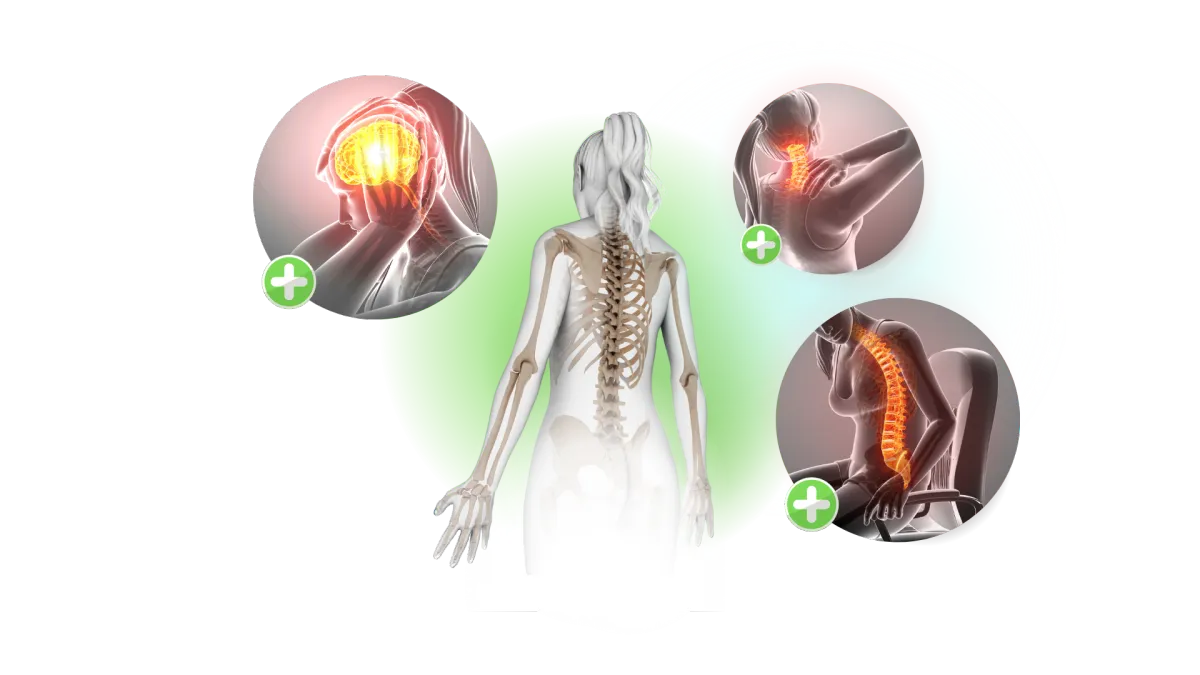
Combining natural hands-on treatment with our week-on-week progressive system to help symptoms like back pain, neck pain and headaches.
Start NOW. Just 1-click away
We help people feel safer and more confident moving again.
Save On Your Treatment Costs
Each visit is £50.
Save if you choose to pre pay.

Start NOW. Just 1-click away
Our clients tell us they can do more of what they enjoy once their pain is under control. Everyone’s different, and results vary.
Peter Bennett, Chiropractor – Registered with the General Chiropractic Council (Reg. No: 01124)
I'm Peter Bennett!
Hello, I’m Peter Bennett, a chiropractor based in Penrith, Cumbria.
I’ve spent more than 25 years helping people reduce pain, move better, and get more life back into their years.
My approach is gentle — no cracking, no heavy-handed adjustments — just safe, effective techniques that work with your body instead of against it.
Over the years, I’ve learned that the human body is incredibly good at trying to heal itself. My job is simply to understand what it’s trying to do and give it the right support.
People come to see me for all sorts of reasons — stiff backs after gardening, neck pain from long hours at a desk, or just feeling less steady than they used to.
Whatever brings you in, my goal is the same: to help you move more easily and feel more confident doing the things you love.
I believe great healthcare starts with kindness, clear explanations, and respect for each person’s pace. You’ll never be rushed or pressured here — just guided gently toward better movement and lasting results.
When I’m not in clinic, I’m usually outdoors walking in the fells, writing about longevity science, or creating online programs that help people stay active and independent later in life.

Why I Do This
When I first started in chiropractic, I thought the job was all about fixing spines.
But over the years, I’ve realised it’s really about helping people trust their bodies again.
I’ve seen how back pain can slowly chip away at someone’s confidence — the way they move, work, even how they laugh. One day it’s just a niggle, and before long it’s changed how they live. Helping someone turn that around, gently and safely, is still the best part of my week.
I’ve always believed the body isn’t broken — it’s doing its best to protect you. My role is to understand what it’s trying to do and guide it back toward balance. That might mean easing tension in the spine, retraining movement, or simply helping you breathe a little easier.
What keeps me going is seeing people realise they can do more than they thought — walking the fells again, picking up grandchildren, or just waking up without that constant stiffness.
It’s those moments that remind me why I chose this path all those years ago.
My aim has never been just to treat backs — it’s to help people move freely, live fully, and enjoy their years with confidence.
FAQS
What conditions can we help with?
Spinal health care can help a wide range of conditions, including back and neck pain, headaches, sciatica, joint pain, and even issues related to posture. It's not just about addressing the symptoms; it's about improving your overall health and well-being by improving the health of your spine and nervous system. If you have specific concerns or questions about your condition, please don't hesitate to ask for a consultation to discuss how spinal health care can benefit you.
Is spinal health care safe, and are the adjustments painful?
Spinal health care is generally considered safe when performed by trained professionals. The adjustments are typically not painful; in fact, many clients report feeling relief and improved mobility after an adjustment. Our therapists are highly skilled and will use gentle techniques tailored to your individual needs. Your comfort and safety are our top priorities, and we will explain every step of the process to ensure you feel at ease during your sessions.
How many visits will I need to see results?
The number of sessions you'll need depends on various factors, including the nature and severity of your condition, your overall health, and your treatment goals. Some clients experience relief after just a few sessions, while others may require more ongoing care. During your initial Spinal Health Assessment, we will assess your specific situation and provide a personalised treatment plan. Our goal is to provide efficient and effective care, so you can return to a pain-free and healthy lifestyle as soon as possible.
When should I see my doctor instead of a chiropractor?
Most back or neck problems are mechanical and respond well to gentle chiropractic care.
See your GP or call NHS 111 if you have fever, weight loss, cancer history, night sweats, recent trauma, numbness in the saddle area, bladder or bowel changes, severe unrelenting pain, or sudden weakness.
Call 999 immediately if you notice stroke signs —
Face drooping, Arm weakness, Speech changes, Time to call 999 (FAST) — or sudden dizziness, vision loss, or a severe new headache.
If you’re unsure, call us — we’ll help you decide the safest next step.
Latest Articles on Spinal Health

7 Steps to Choose the Best Pillow for Neck Pain in 2026
Last Updated: November 2, 2026
Quick Summary
The best pillow for neck pain keeps your head level with your spine, so the neck is neither bent up, down nor to one side. Choose the loft first, using a side-lying test, then match firmness to your main sleeping position. Replace the pillow when it stops springing back.
- Your neck spends roughly a third of the day in a resting position.
- Test loft by lying on your side: your head should sit level with your spine.
- Side sleepers usually need the highest and firmest support of the three positions.
- Back sleepers generally need a medium-loft pillow that avoids pushing the head forward.
- Press your fist into the pillow; if it does not spring back, replace it.
Table of Contents
- Why Your Pillow Matters for Neck Pain
- Pillow Height for Neck Pain: Finding Your Ideal Loft
- Best Pillow for Side Sleepers with Neck Pain
- Best Pillow for Back Sleepers with Neck Pain
- How to Choose the Best Pillow for Neck Pain: A Step-by-Step Method
- When to Replace a Pillow That Is Causing Neck Pain
- Booking a Posture Review at Your Spinal Health in Penrith
- Frequently Asked Questions
Why Your Pillow Matters for Neck Pain
Choosing the best pillow for neck pain is one of the simplest changes you can make to your sleep. Your neck spends roughly a third of the day in a resting position, so the pillow beneath it matters more than most people realise. Many people who wake up stiff assume the problem started at their desk, when their sleeping position may also be adding to it.
The aim of a good pillow is simple. It should keep your neck in a neutral line with your spine, not bent up, down or to one side. When that line breaks, the muscles and small joints of the neck work harder all night.
- A pillow that is too high pushes the head forward and strains the back of the neck.
- A pillow that is too low lets the head drop and stretches the muscles at the side.
- A pillow that goes flat or lumpy over time stops giving support altogether.
Pillows also change with use, so an older pillow may no longer hold your neck where it needs to be.
Pillow Height for Neck Pain: Finding Your Ideal Loft
Pillow height, often called loft, is the single biggest factor in neck comfort. The right height depends mostly on how you sleep, not on how thick a pillow feels in the shop.
A useful test is to lie on your side with the pillow in place. Your head should sit level with your spine, with no sharp tilt up or down. If your chin dips towards your chest, the pillow is too high. If your head drops towards the mattress, it is too low.
Try to avoid choosing purely on softness. A soft pillow can still be the wrong height and leave your neck unsupported.
Best Pillow for Side Sleepers with Neck Pain
Side sleepers usually need the highest and firmest support of the three main positions. The gap between the ear and the shoulder is wider on the side, so the pillow has to fill it.
Look for:
- A firm, supportive core that does not flatten under your head
- A loft that matches your shoulder width, often a little taller than for back sleepers
- Contouring or a neck roll that keeps the head from tipping
If you wake with pins and needles in the arm, the pillow may be too low or too soft, letting the shoulder push the head out of line.
Best Pillow for Back Sleepers with Neck Pain
Back sleepers generally need a medium-loft pillow that supports the natural curve of the neck without pushing the head forward. A pillow that is too thick will tilt the chin up and tighten the front of the neck. Achieving this neutral alignment is a fundamental step for those who need to relieve chronic neck pain and restore comfort to their nightly rest.
Many back sleepers do best with a thinner, firmer option that cradles the head. Some find that a small roll under the neck, rather than a thick pillow under the head, gives the right balance.
How to Choose the Best Pillow for Neck Pain: A Step-by-Step Method
Choosing well is easier when you follow a clear sequence. Work through these steps before you buy.
Book Your Spinal Health Assessment →

- Note your main sleeping position. Most people sleep mostly on one side. Be honest about it.
- Check how you wake up. Morning stiffness, headaches or arm numbness all point to a pillow problem.
- Pick the right loft. Use the side-lying test above to judge height.
- Choose a firmness level. Firm pillows suit side sleepers; medium suits back sleepers.
- Match the filling to your needs. Memory foam holds shape, latex springs back, and feather or down feels soft but may flatten.
- Test it for a few nights. Most pillows need a week or two before your neck adjusts.
- Replace it when it stops supporting you. See the section below for signs.
Testing Firmness and Support at Home
You can check a pillow before committing. Press your fist into the centre and release. If it springs back within a few seconds, it has good recovery. Then fold it in half and see whether it keeps its shape or collapses. A pillow that collapses under light pressure is unlikely to hold your neck steady through the night.
Lie on it in your usual position, ideally on a mattress similar to your own. Notice whether your neck feels supported or whether you feel you have to hold your head up.
Common Mistakes to Avoid When Buying
- Choosing by softness alone, rather than height and support
- Buying a pillow designed for a different sleep position
- Stacking extra pillows to fix a poor one, which often raises the head too far
- Expecting instant results from a new pillow when your neck needs time to adjust
- Ignoring a worsening problem, which may need a professional check rather than a new pillow
The steps below set out the sequence to follow before buying a pillow, with the key action for each.
| Step | What to do | Time or frequency |
|---|---|---|
| Note your main sleeping position | Be honest about the side you mostly sleep on | Most nights |
| Check how you wake up | Look for morning stiffness, headaches or arm numbness | Over several mornings |
| Pick the right loft | Use the side-lying test so your head sits level with your spine | Test before buying |
| Choose a firmness level | Firm for side sleepers, medium for back sleepers | Before buying |
| Match the filling to your needs | Consider memory foam, latex or feather or down | Before buying |
| Test it for a few nights | Allow your neck to adjust to the new pillow | A week or two |
| Replace it when it stops supporting you | Check for lost springiness, lumps or sagging | When signs appear |
When to Replace a Pillow That Is Causing Neck Pain
The right time to replace a pillow depends on its filling and how well it has been cared for. A pillow that is causing neck pain often shows clear signs.
- It no longer springs back when pressed
- It has lumps, flat patches or a sagging centre
- You wake stiffer than you used to
- The pain eases when you sleep away from home
If the pain continues after a good pillow and a few weeks of adjustment, the cause may lie elsewhere. Desk habits, for example, can slowly lead to neck pain, headaches and stiffness.
For steps you can take at home beyond your pillow, read Manage Spinal Health at Home: A 2026 Guide.
Booking a Posture Review at Your Spinal Health in Penrith
If your neck pain persists despite a better pillow, a professional look can help. Our team offers gentle posture correction and spinal health care in Penrith, with an approach that avoids forceful treatment.
Many people who are unsure about seeing a chiropractor find it helpful to learn what happens first. What To Expect at a Spinal Health Assessment in Penrith explains the process step by step. If you are dealing with ongoing discomfort, you can also book a Spinal Health Assessment for neck pain relief in Penrith to get honest, personalised guidance.
Choosing the best pillow for neck pain is a practical first step, and the right one can make your mornings noticeably easier. When the pain does not settle, we are here to help you understand why.
Frequently Asked Questions
How do I choose the right pillow for neck pain?
Start with how you sleep. Side sleepers usually need a higher, firmer pillow that fills the gap between the ear and the shoulder, while back sleepers generally need a lower, medium-firm pillow that supports the natural curve of the neck. Check that your head and neck sit in a line with your spine, not tilted up or down. If you wake with stiffness or pain that persists beyond a few weeks, arrange a consultation with a qualified professional, who can assess your symptoms properly rather than relying on a general guideline.
Is a firm or soft pillow better for neck pain?
Neither is universally better. A pillow that is too soft often lets the head sink, which can strain the neck, while one that is too firm can push the head upward and leave the neck unsupported. Most people find medium-firm support works well, because it holds the head steady without forcing it into an unnatural position. Test any pillow for a few nights and notice whether your neck feels more or less stiff on waking, then adjust the filling or choose a different loft if needed.
Can the wrong pillow cause neck pain?
A pillow that does not match your sleeping position can contribute to neck discomfort, particularly if it is too high, too low or too flat. Over time, poor support may lead to morning stiffness and tension, though a pillow is rarely the only factor. Desk posture, activity levels and other health conditions can all play a part. If your symptoms are persistent or severe, speak to a qualified professional who can look at the wider picture for you.
When should I replace a pillow that is causing neck pain?
Consider replacing your pillow if it no longer springs back when pressed, has visible lumps or flat areas, shows signs of wear, or leaves you with stiffness that improves when you sleep elsewhere. The right timing for replacing a pillow depends on its filling and how you use it. Keep in mind that a new pillow alone may not resolve neck pain, so arrange an assessment if your symptoms continue.