
Gentle Chiropractic Care in Penrith | Helping You Move Better and Feel More Confident
We help people with persistent back or neck pain move more freely, regain confidence, and get back to doing the things they love — gently, safely, and without forceful “cracking.”
About Your Penrith Chiropractor
At Your Spinal Health in Penrith, we specialise in gentle, low-force chiropractic care.
Our aim is simple: reduce pain, improve movement, and support your body’s natural healing.
Most people follow a short, structured plan over around 12 weeks and notice steady progress.
Everyone’s different, and results always vary — that’s why your care starts with a personalised Spinal Health Assessment.
Peter Bennett – Chiropractor
Registered with the General Chiropractic Council (Reg No: 01124)
Member of the United Chiropractic Association
Your Spinal Health
Registered chiropractic care in Penrith, Cumbria
5 Poets Walk, Penrith CA11 7HJ · 01768 899 036
Your Trusted Spinal Health Experts
At Your Spinal Health, we are passionate about helping you achieve your best health and well-being. We have been serving our community for over 20 years with a commitment to providing the highest quality care.
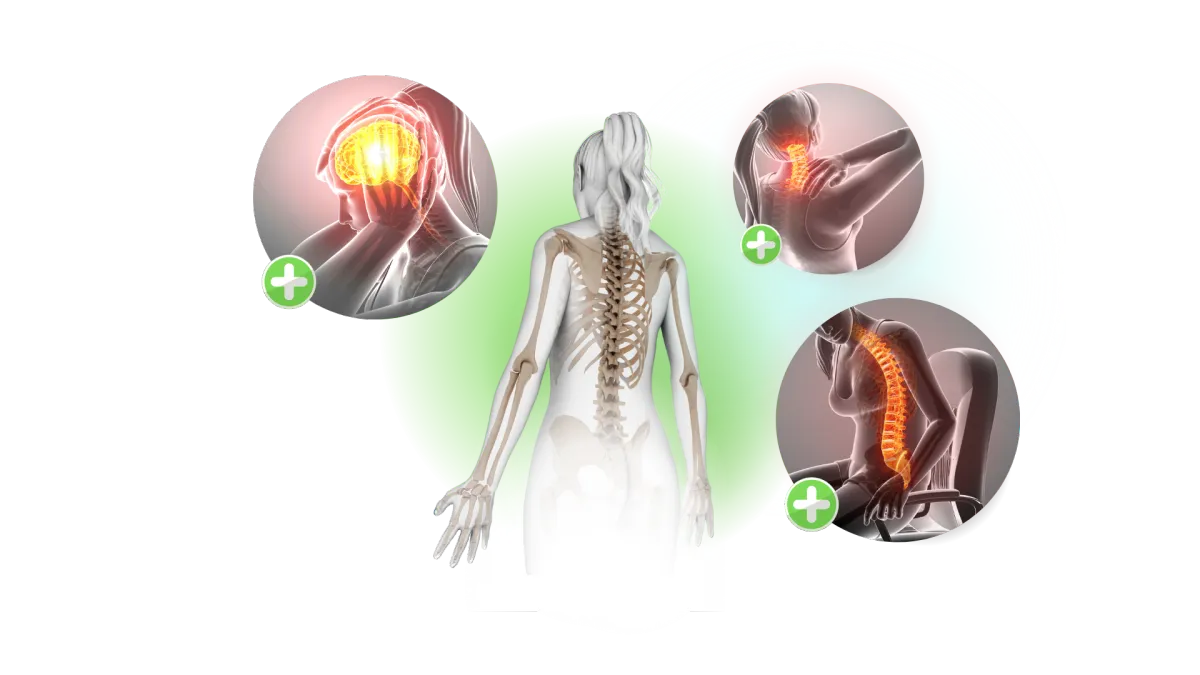
Combining natural hands-on treatment with our week-on-week progressive system to help symptoms like back pain, neck pain and headaches.
Start NOW. Just 1-click away
We help people feel safer and more confident moving again.
Save On Your Treatment Costs
Each visit is £50.
Save if you choose to pre pay.

Start NOW. Just 1-click away
Our clients tell us they can do more of what they enjoy once their pain is under control. Everyone’s different, and results vary.
Peter Bennett, Chiropractor – Registered with the General Chiropractic Council (Reg. No: 01124)
I'm Peter Bennett!
Hello, I’m Peter Bennett, a chiropractor based in Penrith, Cumbria.
I’ve spent more than 25 years helping people reduce pain, move better, and get more life back into their years.
My approach is gentle — no cracking, no heavy-handed adjustments — just safe, effective techniques that work with your body instead of against it.
Over the years, I’ve learned that the human body is incredibly good at trying to heal itself. My job is simply to understand what it’s trying to do and give it the right support.
People come to see me for all sorts of reasons — stiff backs after gardening, neck pain from long hours at a desk, or just feeling less steady than they used to.
Whatever brings you in, my goal is the same: to help you move more easily and feel more confident doing the things you love.
I believe great healthcare starts with kindness, clear explanations, and respect for each person’s pace. You’ll never be rushed or pressured here — just guided gently toward better movement and lasting results.
When I’m not in clinic, I’m usually outdoors walking in the fells, writing about longevity science, or creating online programs that help people stay active and independent later in life.

Why I Do This
When I first started in chiropractic, I thought the job was all about fixing spines.
But over the years, I’ve realised it’s really about helping people trust their bodies again.
I’ve seen how back pain can slowly chip away at someone’s confidence — the way they move, work, even how they laugh. One day it’s just a niggle, and before long it’s changed how they live. Helping someone turn that around, gently and safely, is still the best part of my week.
I’ve always believed the body isn’t broken — it’s doing its best to protect you. My role is to understand what it’s trying to do and guide it back toward balance. That might mean easing tension in the spine, retraining movement, or simply helping you breathe a little easier.
What keeps me going is seeing people realise they can do more than they thought — walking the fells again, picking up grandchildren, or just waking up without that constant stiffness.
It’s those moments that remind me why I chose this path all those years ago.
My aim has never been just to treat backs — it’s to help people move freely, live fully, and enjoy their years with confidence.
FAQS
What conditions can we help with?
Spinal health care can help a wide range of conditions, including back and neck pain, headaches, sciatica, joint pain, and even issues related to posture. It's not just about addressing the symptoms; it's about improving your overall health and well-being by improving the health of your spine and nervous system. If you have specific concerns or questions about your condition, please don't hesitate to ask for a consultation to discuss how spinal health care can benefit you.
Is spinal health care safe, and are the adjustments painful?
Spinal health care is generally considered safe when performed by trained professionals. The adjustments are typically not painful; in fact, many clients report feeling relief and improved mobility after an adjustment. Our therapists are highly skilled and will use gentle techniques tailored to your individual needs. Your comfort and safety are our top priorities, and we will explain every step of the process to ensure you feel at ease during your sessions.
How many visits will I need to see results?
The number of sessions you'll need depends on various factors, including the nature and severity of your condition, your overall health, and your treatment goals. Some clients experience relief after just a few sessions, while others may require more ongoing care. During your initial Spinal Health Assessment, we will assess your specific situation and provide a personalised treatment plan. Our goal is to provide efficient and effective care, so you can return to a pain-free and healthy lifestyle as soon as possible.
When should I see my doctor instead of a chiropractor?
Most back or neck problems are mechanical and respond well to gentle chiropractic care.
See your GP or call NHS 111 if you have fever, weight loss, cancer history, night sweats, recent trauma, numbness in the saddle area, bladder or bowel changes, severe unrelenting pain, or sudden weakness.
Call 999 immediately if you notice stroke signs —
Face drooping, Arm weakness, Speech changes, Time to call 999 (FAST) — or sudden dizziness, vision loss, or a severe new headache.
If you’re unsure, call us — we’ll help you decide the safest next step.
Latest Articles on Spinal Health

Are There Alternatives to Back Surgery in 2026?
Last Updated: 1 November 2026
Quick Summary
For most people with chronic back pain, surgery is not the first option, and alternatives to surgery such as physiotherapy, chiropractic care, graded exercise and pain education should be explored first. Surgery is generally reserved for specific problems, such as nerve compression that does not respond to other care. A clear assessment is the best starting point.
- Chronic back pain is generally pain that persists for three months or longer.
- Surgery is usually reserved for nerve compression not responding to other care, or a clear structural cause.
- Physiotherapy combines guided exercise, hands-on techniques and posture advice.
- Exercise should be increased gradually over weeks, not days, to avoid flare-ups.
- Seek prompt medical help for numbness, weakness, or loss of bladder or bowel control.
Table of Contents
- Why Chronic Back Pain Often Improves Without Surgery
- Non-Surgical Treatment for Chronic Back Pain: The Main Options
- Physiotherapy for Chronic Back Pain: What to Expect
- Chiropractic Care for Back Pain: A Gentle Approach
- Exercise for Persistent Back Pain: Building Tolerance Gradually
- When Surgery Becomes Worth Considering
- Questions to Take to Your GP or Spinal Specialist
- Frequently Asked Questions
Chronic back pain that has lasted months, or years, is worth taking seriously before anyone talks about the operating theatre. For most people with persistent low back pain, surgery is not the first or the only answer, and there are many alternatives to surgery worth exploring first.
Why Chronic Back Pain Often Improves Without Surgery
Chronic back pain is generally understood as pain that persists for three months or longer. The honest picture is that surgery is usually reserved for specific, well-defined problems such as nerve compression that is not responding to other care, or a clear structural cause identified on examination.
Many people with persistent pain find that movement, activity and a sensible care plan make a real difference over time. A common mistake is assuming that a sore back means something is structurally broken. Pain and damage are not always the same thing, which is why a proper assessment matters before any decision is made.
Non-Surgical Treatment for Chronic Back Pain: The Main Options
There is no single treatment that suits everyone. The main non-surgical options include physiotherapy, chiropractic care, graded exercise, pain education and, where appropriate, medication prescribed by a GP. Each has a different role, and many people benefit from combining more than one. Developing a personalised strategy often requires a deeper understanding of how these non-surgical alternatives can be integrated into a long-term management plan for chronic pain.
Our view: a clear assessment that identifies what is driving your pain is a sensible starting point. You can book a gentle spinal assessment in Penrith to talk through your situation.
Physiotherapy for Chronic Back Pain: What to Expect
Physiotherapy usually combines guided exercise, hands-on techniques and advice on posture and activity. Sessions often focus on rebuilding strength and confidence in movement rather than simply easing the pain in the moment.
Best for: people who want an active, exercise-led plan with a clinician guiding progress. Skip if: you want passive treatment only, as active participation is central to most physiotherapy programmes.
Ask your physiotherapist how progress will be measured, and how long the plan is expected to run. A good plan has clear goals and a review point.
The article sets out how the main non-surgical options differ in who they suit and what they involve.
| Option | Best for | Key difference |
|---|---|---|
| Physiotherapy | People wanting an active, exercise-led plan | Guided exercise, hands-on techniques and posture advice |
| Chiropractic care | People preferring calm, hands-on care | Gentle manual techniques within a wider plan |
| Graded exercise | People building tolerance over time | Load increased slowly over weeks, not days |
Chiropractic Care for Back Pain: A Gentle Approach
Chiropractic care focuses on the spine and joints, with gentle manual techniques as part of a wider plan. If you are deciding between the two, see a clear side-by-side comparison of chiropractor and physiotherapy for pain.
Book Your Spinal Health Assessment →
Best for: people who prefer hands-on care that is calm and unhurried. Skip if: you want a purely exercise-based programme with no manual therapy.
If you are weighing chiropractic against other options, you can ask us for a personalised roadmap, and pricing depends on your individual needs, so check our website for current prices or request a quote. You can also review realistic chiropractic treatment costs and expected results before committing.
Exercise for Persistent Back Pain: Building Tolerance Gradually
Exercise is one of the most useful tools for long-term back pain, but it works best when it is introduced gradually. Many people stop because they push too hard, too soon, then flare up and lose confidence.

Start with movements you can manage comfortably, and increase the load slowly over weeks rather than days. Keep a simple note of how you feel the next day. A common mistake is judging exercise by how sore you feel during it, when the more useful signal is how you recover afterwards.
When Surgery Becomes Worth Considering
Surgery becomes worth discussing when pain is severe and persistent, when there is clear nerve involvement such as progressive weakness, or when a specific structural problem has been identified and other care has not helped after a reasonable period. This is a decision to make with a qualified specialist, not one to make from general information.
Speak to your GP or a spinal specialist if you have new numbness, weakness, loss of bladder or bowel control, or pain that is getting steadily worse (the NHS). These can be signs that need prompt medical assessment.
Questions to Take to Your GP or Spinal Specialist
Bringing a short list of questions makes the appointment more useful. Consider asking:
- What do you think is causing my pain, and how sure are you?
- Which non-surgical options are realistic for my situation?
- What would make you recommend surgery, and what would the alternatives be?
- How will we know whether the plan is working, and when will we review it?
- Are there any warning signs I should watch for?
Being clear about what matters to you, whether that is returning to work, lifting, or sleeping through the night, helps shape the plan. Non-surgical care is a real option for many people, and a clear assessment is the best place to start.
Frequently Asked Questions
Can chronic back pain improve without surgery?
For many people, yes. Chronic back pain is often managed successfully with a combination of physical activity, physiotherapy, and other non-surgical approaches. Outcomes vary depending on the cause and how long the pain has lasted, so a proper assessment by a qualified professional is the best starting point. Surgery is generally considered when specific conditions are confirmed and non-surgical options have been tried without sufficient relief.
Is physiotherapy or chiropractic care better for back pain?
Neither is universally better. Physiotherapy focuses on movement, strength and rehabilitation, often delivered through structured exercise programmes. Chiropractic care uses manual techniques to address joint and spinal mobility. Many people benefit from one or both, and the right choice depends on your symptoms, medical history and personal preferences. Ask a qualified practitioner to explain their approach before you start treatment.
What should I ask my GP or spinal specialist before considering back surgery?
Ask what is causing your pain, which non-surgical options have been tried or are available, what the realistic benefits and risks of surgery are, and what recovery would involve. It is also worth asking what would happen if you chose not to have surgery, and how you would know whether non-surgical treatment is working. Writing your questions down beforehand helps you get clear answers.