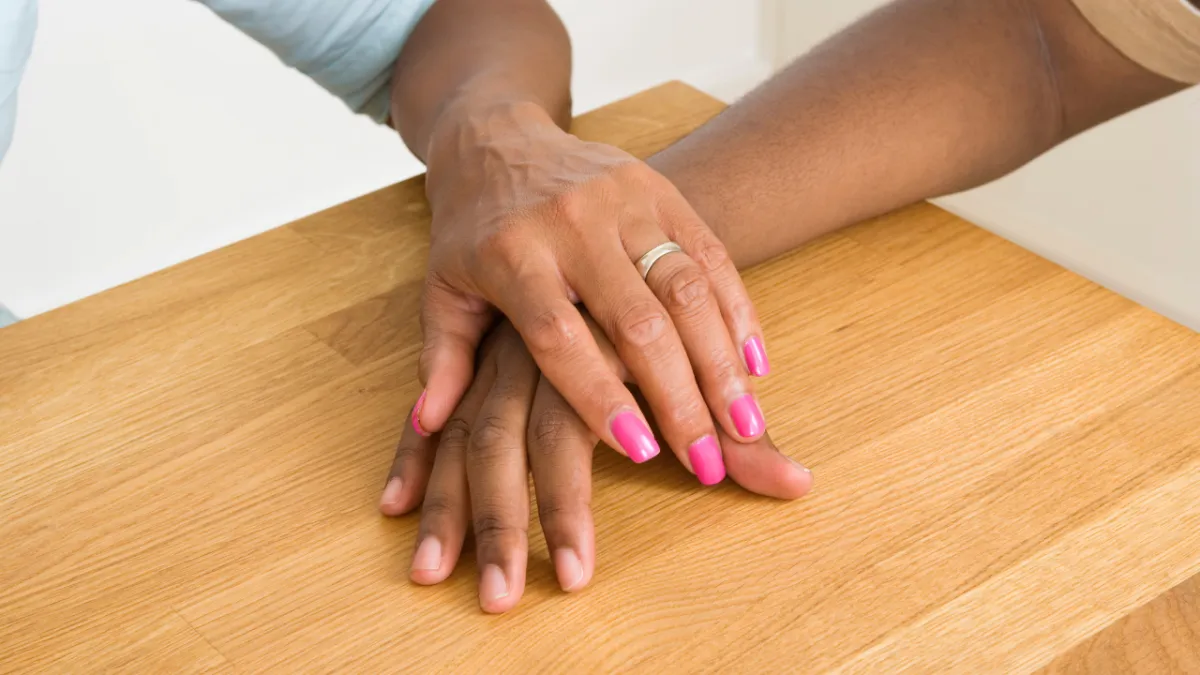
Pins, Needles, and Numbness: When Touch Goes Wrong
The Everyday Gift of Touch
From feeling the softness of a jumper to the firmness of a handshake, your sense of touch connects you to the world. It keeps you safe (warning you when something’s too hot) and brings comfort (a hug or a reassuring pat on the back).
But when touch changes—numbness, tingling, or pins and needles—it can be unsettling. The problem may not be in your skin at all, but in the nerves travelling through your spine.
The Nerves Behind Touch
Every sensation you feel—warmth, cold, pressure, vibration—travels through sensory nerves. These nerves run from your skin, through your spine, and up to your brain, where the signals are turned into feeling.
As neurologist Santiago Ramón y Cajal, often called the father of neuroscience, said:
“Any man could, if he were so inclined, be the sculptor of his own brain.”
Your experiences of touch are sculpted by nerve signals. If the signals are blocked or distorted by spinal misalignment, your perception of touch changes too.
Did You Know?
When your arm or leg “falls asleep,” it’s not your skin going numb—it’s the nerves being temporarily compressed.Once the pressure eases, the signals return, often with that familiar tingling rush.
Spinal misalignment can create a similar kind of nerve interference—only it doesn’t always go away so quickly.
How Spinal Misalignment Affects Touch
A misaligned spine can:
Pinch or irritate sensory nerves, causing numbness or tingling.
Interrupt communication between skin and brain, changing how you feel sensations.
Cause referred pain, where irritation in the spine makes you feel pain or tingling elsewhere.
Affect motor nerves, leading to weakness or clumsiness alongside sensory changes.
Common symptoms include:
Numbness or tingling in fingers or toes.
“Pins and needles” that don’t resolve quickly.
Reduced sensitivity to hot, cold, or pressure.
Strange sensations (burning, prickling, or crawling feelings).
Simple Support for Healthy Nerve Signals
Your spine thrives on movement. When you sit for too long, pressure builds on spinal joints and nerves.
Try this:
Stand up every 30–45 minutes. Stretch, walk, or simply roll your shoulders and arch your back gently. Small, frequent movements help keep nerve pathways free and responsive.
Takeaway
Your sense of touch isn’t just skin deep—it’s powered by your nervous system and protected by your spine.
When spinal misalignment interferes with those signals, you can experience numbness, tingling, or altered sensation. Caring for your spine means protecting the very way you connect with the world through touch.
