
Managing Chronic Neck Pain Naturally: A Complete Guide
Table of Contents
- Understanding Chronic Neck Pain and Its Causes
- Ergonomic Tips for Neck Health at Work and Home
- Natural Remedies and Self-Care Strategies
- Chiropractic Care for Neck Pain: A Gentle Approach
- When to See a GP for Neck Pain
- Lifestyle Changes That Support Long-Term Relief
- Frequently Asked Questions
Last Updated: September 27, 2026
Understanding Chronic Neck Pain and Its Causes
Chronic neck pain affects millions of people, yet many don't fully understand what's happening in their neck or why the discomfort persists. At Your Spinal Health, we work with individuals daily who've struggled with this exact problem, they know something isn't right, but the root cause remains unclear. Managing chronic neck pain naturally starts with understanding what's actually going on beneath the surface.
Your neck supports your head, which weighs roughly 5 kilograms. When you spend hours hunched over a desk or looking down at your phone, that weight gets distributed unevenly across your cervical spine. Over time, this imbalance creates tension, restricts movement, and can lead to chronic discomfort that doesn't resolve with rest alone.
The most common causes of chronic neck pain include poor posture, muscle tension from stress, previous injuries that didn't heal properly, and degenerative changes in the spine. Whiplash from old accidents, sleeping in awkward positions, and repetitive strain from work all contribute. The thing nobody tells you about chronic neck pain is that it rarely has a single cause, it's usually a combination of factors that compound over months or years.
Understanding these causes is crucial because managing chronic neck pain naturally requires addressing the actual problem, not just treating the symptom. A temporary fix might feel good for a week, but without tackling the underlying issue, the pain returns. This is why so many people find themselves stuck in a cycle of brief relief followed by frustration.
Ergonomic Tips for Neck Health at Work and Home
Your working environment plays a larger role in neck health than most people realise. If you're sat at a desk for eight hours daily, ergonomics isn't a luxury, it's essential for managing chronic neck pain naturally and preventing it from worsening.
Start with your monitor height. Your eyes should look slightly downward at the screen, not upward or straight ahead. Position the monitor roughly an arm's length away, with the top of the screen at or slightly below eye level. This single adjustment prevents the constant forward head posture that creates neck strain.
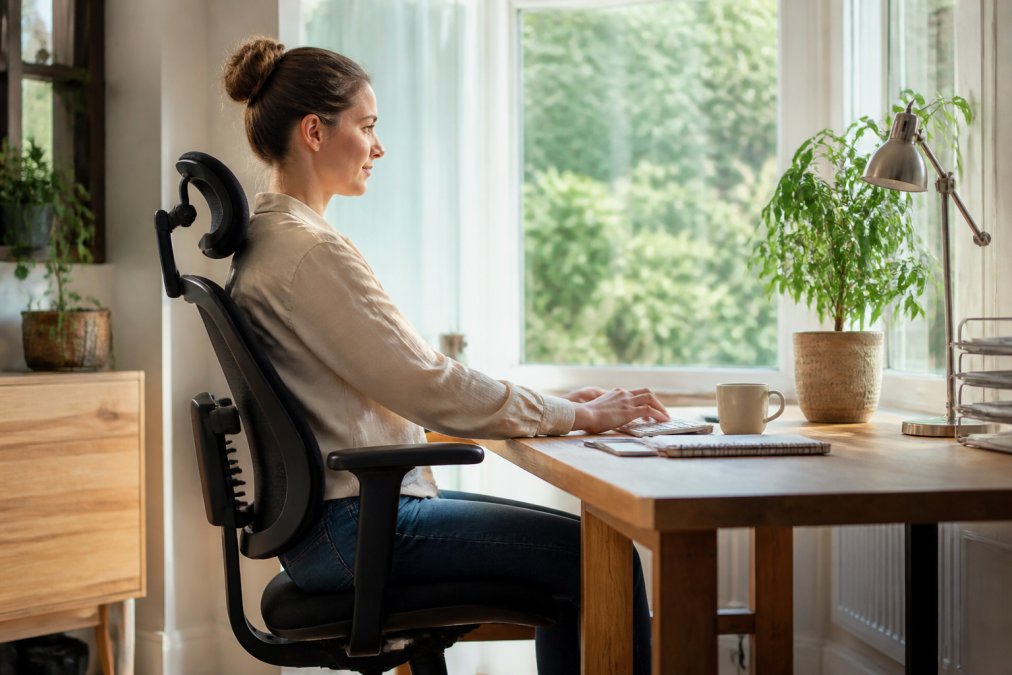
Your chair matters too. Invest in one that supports the natural curve of your spine. Your shoulders should sit relaxed, not hunched forward or pulled back. Your elbows should bend at roughly 90 degrees when your hands rest on the keyboard. If you're working from home on a kitchen table with a laptop balanced on books, you're working against yourself, your neck will pay the price.
Take regular breaks. Every 30 minutes, stand up, look away from the screen, and gently move your neck through its full range of motion. This interrupts the static posture that creates tension and gives your muscles a chance to reset.
At home, apply the same principles. Your pillow should support your neck's natural curve, not too high, not too flat. When you lie down, your neck should align with your spine, not angle upward or twist to the side. Many people find that switching pillows makes a noticeable difference within days.
Keyboard and mouse placement matters more than most realise. If you're reaching across your body or extending your arms too far, you're creating tension in your neck and shoulders. Keep these tools close and at a height that allows your elbows to rest comfortably.
Natural Remedies and Self-Care Strategies
Managing chronic neck pain naturally relies heavily on what you do consistently, not what you do occasionally. Self-care strategies work best when they become part of your routine rather than something you attempt when pain flares up.
Heat and Cold Therapy
Heat and cold therapy are among the most accessible natural remedies for neck pain. They work differently, and understanding when to use each makes a real difference.
Heat relaxes tight muscles and increases blood flow to the area. Apply heat for 15-20 minutes when your neck feels stiff, especially in the morning or after sitting for extended periods. A hot water bottle, heat pack, or even a warm shower can work. Heat is particularly helpful when your pain stems from muscle tension rather than acute injury.
Cold therapy reduces inflammation and numbs pain. Use cold for the first 24-48 hours after an acute injury or when you notice sudden swelling. Apply cold for 10-15 minutes at a time. After the initial inflammation settles, many people find that alternating between heat and cold, finishing with heat, provides the most relief.
Book Your Spinal Health Assessment →
The common mistake is using heat or cold for too long. Extended application can actually irritate the area or cause tissue damage. Stick to the 15-20 minute window and allow your skin to return to normal temperature before reapplying.
Gentle Stretching and Mobility Work
Gentle stretching forms the foundation of managing chronic neck pain naturally. These aren't aggressive stretches, they're slow, controlled movements that gradually improve your range of motion.
The neck can move in several directions: forward and backward, side to side, and rotation. Start with simple movements. Slowly turn your head to look over your right shoulder, hold for 15-20 seconds, then repeat on the left side. Do this several times daily.
Chiropractic Care for Neck Pain: A Gentle Approach
Chiropractic care often triggers concern for people who've had previous negative experiences. You've had a bad experience with a chiropractor before who was quite rough with you, how do you know your approach is actually going to be gentle and won't leave you in more pain? This is a legitimate question, and it deserves a straightforward answer.
When to See a GP for Neck Pain
Most cases of managing chronic neck pain naturally improve with self-care, ergonomic adjustments, and gentle treatment over weeks or months. However, some situations warrant a GP consultation.
Lifestyle Changes That Support Long-Term Relief
Managing chronic neck pain naturally requires more than exercises and treatments, it demands lifestyle shifts that address the habits creating the problem in the first place.
Frequently Asked Questions
What are the most effective natural ways to manage chronic neck pain?
Natural management of chronic neck pain combines several approaches: maintaining correct posture and ergonomics, performing gentle stretching and strengthening exercises, using heat or cold therapy as needed, and managing stress through relaxation techniques. Regular movement breaks, proper pillow support, and avoiding prolonged static positions all contribute to relief. Many people find that combining these strategies with professional guidance produces the best long-term results for managing chronic neck pain naturally.
When should I see a GP for persistent neck pain?
You should see your GP if neck pain persists beyond a few weeks, is accompanied by numbness or tingling in your arms or hands, causes headaches or dizziness, or follows an injury. Also seek medical advice if the pain is severe, worsening despite self-care efforts, or interferes with daily activities. Your GP can rule out underlying conditions and refer you to appropriate specialists if needed, ensuring you receive the right care for your specific situation.
Can chiropractic care help with long-term neck discomfort?
Chiropractic care, particularly gentle approaches that focus on understanding root causes rather than forceful techniques, can help address long-term neck discomfort. A qualified chiropractor can identify postural issues, muscle imbalances, and movement restrictions contributing to your pain. Combined with exercises, ergonomic adjustments, and lifestyle changes, chiropractic care aims to provide lasting relief rather than temporary symptom management, though individual results vary.
What lifestyle changes reduce chronic neck strain?
Key lifestyle changes include adjusting your workspace ergonomics so your monitor is at eye level, taking regular breaks from sitting, strengthening your neck and shoulder muscles through targeted exercises, managing stress through relaxation techniques, and improving sleep posture with proper pillow support. Staying hydrated, maintaining a healthy weight, and avoiding repetitive strain activities also help reduce chronic neck strain. Small, consistent changes often produce significant improvements over time.
Are there specific exercises to improve neck mobility safely?
Yes, gentle exercises can safely improve neck mobility. Slow neck rotations, gentle side-to-side movements, and shoulder shrugs help maintain flexibility. Chin tucks strengthen supporting muscles without strain. Stretches targeting the upper trapezius and levator scapulae muscles are also beneficial. Always move slowly and avoid forcing movements beyond comfortable range. If you have existing pain, consult a healthcare professional before starting any exercise programme to ensure the movements are appropriate for your condition.
How do I know if a chiropractic approach is genuinely gentle?
A gentle chiropractic approach prioritises your comfort and safety throughout treatment. Look for practitioners who explain their methods clearly in plain language before beginning, listen to your concerns about previous experiences, avoid forceful joint cracking, and focus on understanding the root causes of your pain rather than quick fixes. A qualified chiropractor will discuss your preferences, move at your pace, and adjust their technique based on your feedback. Trust your instincts about whether you feel safe and respected during treatment.
How long does it typically take to see improvement from natural management strategies?
Improvement timelines vary depending on the cause and severity of your neck pain, your consistency with self-care strategies, and your individual healing capacity. Some people notice relief within days of improving ergonomics or starting gentle exercises, whilst others require several weeks of consistent effort. Chronic pain often improves gradually rather than overnight. Professional guidance helps accelerate progress by identifying which strategies work best for your specific situation and adjusting your approach as needed.
